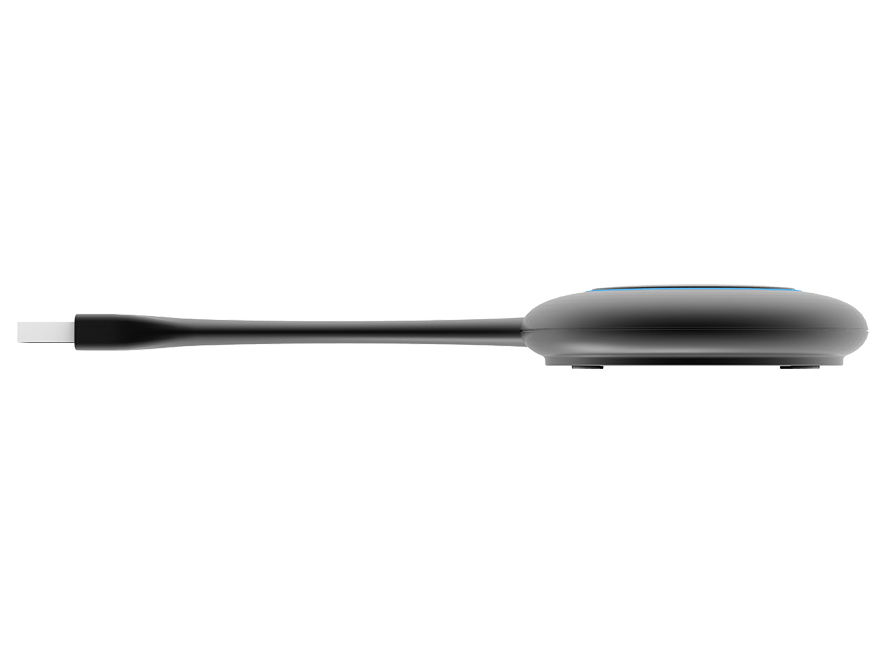
If you’re planning a corporate event in Dubai or upgrading your UAE office spaces for hybrid meetings, one thing is clear. Audio visual equipment plays a huge deal in delivering great experiences.
However, for many decision-makers and buyers who aren’t technically inclined, selecting the right components can be overwhelming.
This guide breaks down the essentials. We will explain nine components in simple terms and showing how they work together to bring your ideas to life.
Why These Components Actually Matter?
Before diving into specific items, it’s important to grasp the bigger picture: understanding audio visual equipment means knowing how individual parts combine to create seamless presentations.
Just like building blocks, each piece contributes to the overall performance and quality of your setup. This is especially true in fast-moving markets like the UAE, where events and corporate spaces demand reliable technology.
According to recent market research, the global audio visual market is projected to reach $159 billion by 2027, driven by rising demand for smart conferencing systems — and the UAE is at the forefront of this trend.
1. Displays and Screens
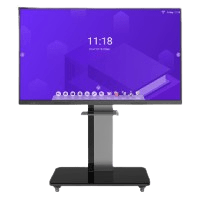
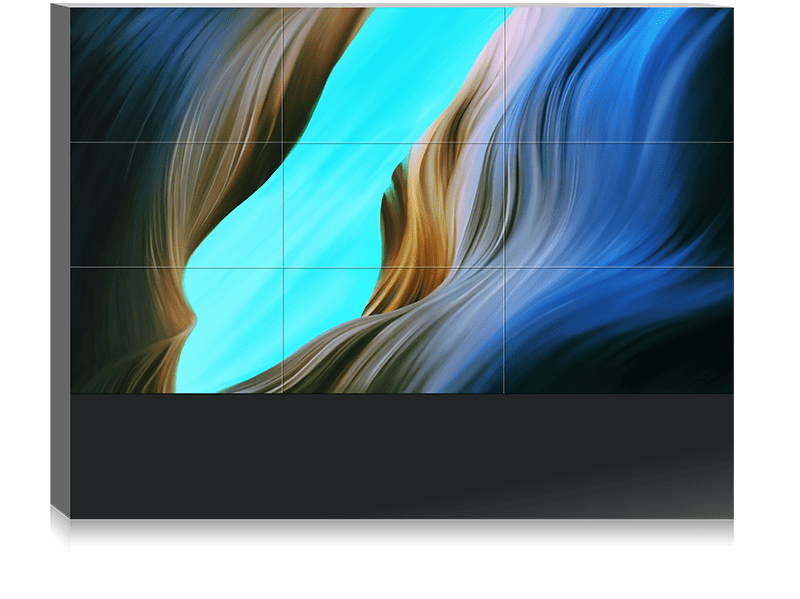
At the heart of most audio visual systems are displays. Whether it’s a large LED screen in a Dubai conference hall or a projector in an Abu Dhabi training room, visuals are often the main point of focus.
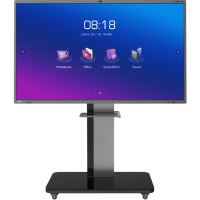
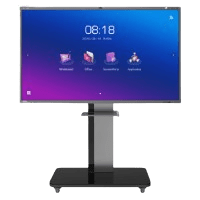
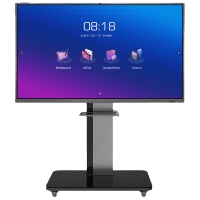
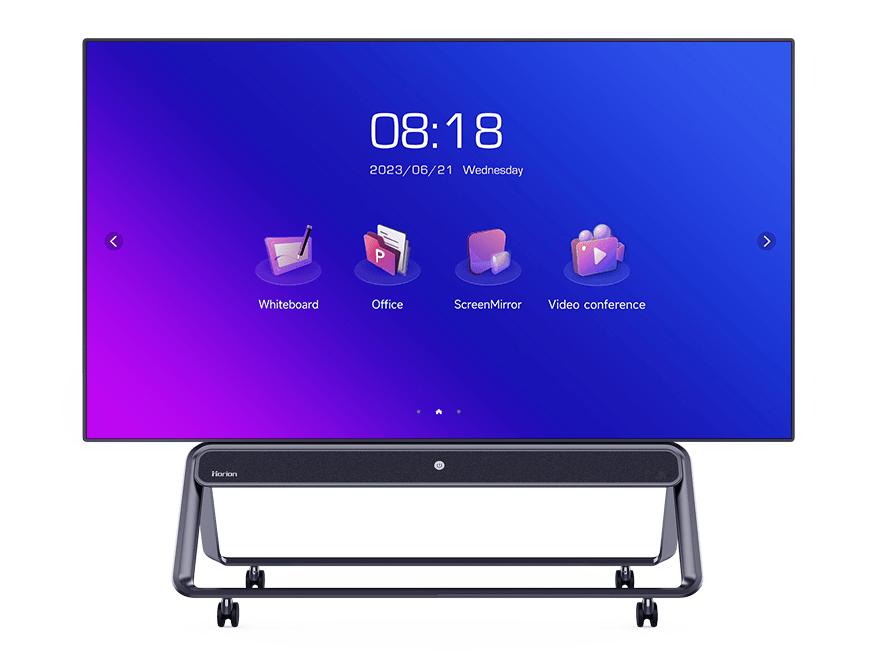
These screens show presentations, videos, and live feeds. Modern displays range from ultra-HD LED panels to interactive touchscreens that respond to gestures.
When evaluating options, look at resolution (1080p vs 4K), brightness (important in well-lit spaces), and size — especially for bigger venues.
If you partner with the right audio visual equipment supplier, they’ll help you match screen features to your venue and audience size.
2. Projectors
Projectors are an alternative to fixed screens. They offer flexibility in layout and size, allowing you to scale up or down depending on the room. They are widely used in training centres, auditoriums, and educational facilities.
A projector’s brightness, measured in lumens, tells you how well it performs in different lighting conditions.
For example, a projector with 3,000 lumens works well in rooms with some ambient light, whereas brighter settings may require 5,000 lumens or more.
3. Audio Components (Speakers & Microphones)
While visuals grab attention, sound keeps your audience connected. The best experiences rely on a balanced combination of audio and visual equipment.
High-quality speakers ensure that voices and media audio maintain clarity throughout the room. In larger spaces, distributed speaker systems help deliver even sound coverage.
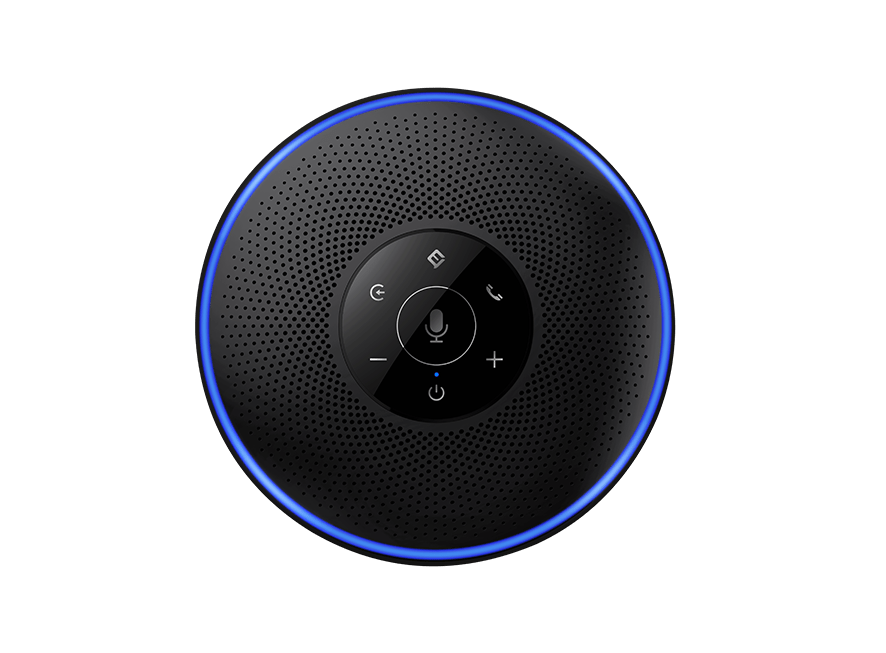
Microphones, whether handheld, lavalier, or ceiling mounted, capture speech without distortion. Wireless microphones add mobility, which is especially useful during dynamic presentations.
4. Audio Mixers and Amplifiers
Raw sound from microphones and media devices doesn’t always translate into polished audio. That’s where mixers and amplifiers come in.
An audio mixer lets you balance multiple sound sources — for instance, adjusting the music level while keeping a presenter’s voice clear.
Amplifiers then increase the strength of the audio signal, ensuring fault-free output through speakers. For businesses investing in professional audio visual equipment, these components make the difference between average and excellent audio delivery.
5. Control Systems
Behind every smooth AV experience is a control system — think of it as the central brain. Using a touchscreen or simple control panel, users can switch between inputs, adjust volume, dim lights, and even manage room scheduling.
For non-technical buyers, having an intuitive control interface simplifies operations and reduces dependency on IT staff.
Many modern systems also integrate with building automation platforms, which is a growing trend in UAE corporate environments.
6. Cables and Connectors
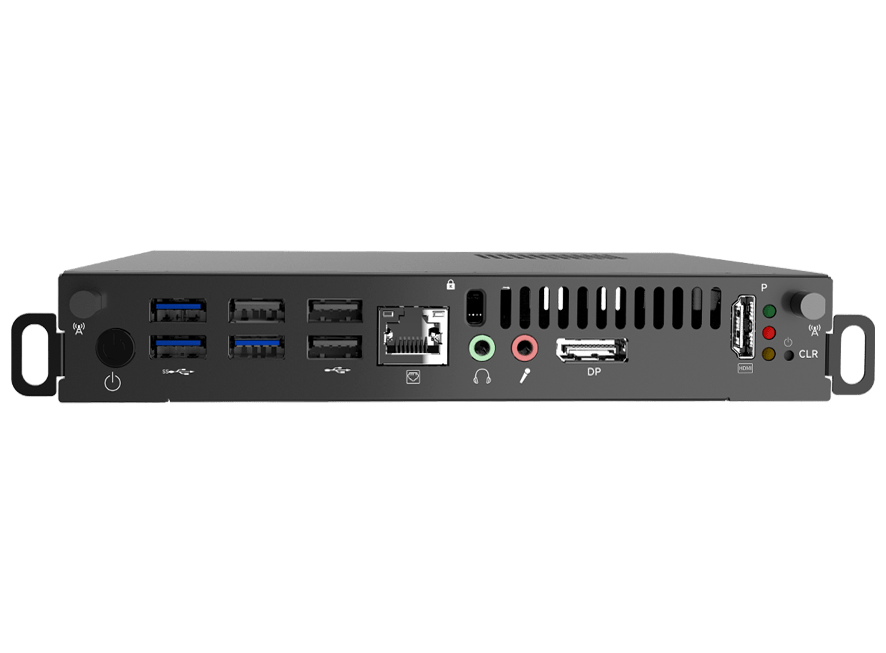
Cables may seem basic, but without the right ones, your AV setup won’t function properly. HDMI, DisplayPort, XLR, and USB are common types, each serving different purposes.
For example, HDMI carries high-definition video and audio between devices, while XLR handles balanced audio connections for professional sound.
Choosing the right cables and connectors is crucial, especially in larger installations where signal integrity matters. Your audio visual equipment supplier can provide guidance on what’s needed based on your design.
7. Video Conferencing Hardware
Today’s workplaces increasingly rely on hybrid collaboration, and that’s where video conferencing technology shines.
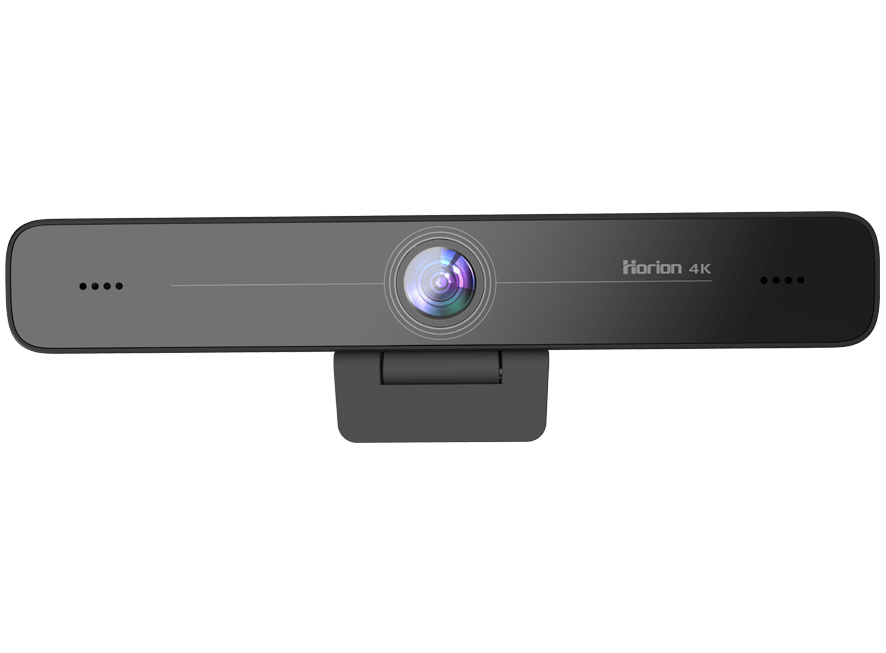
A complete setup includes a high-resolution camera, noise-canceling microphones, and software that connects teams across geographies.
Many systems now offer AI-driven features like auto-framing and background noise reduction — ideal for professional meetings in UAE head offices or regional hubs.
8. Mounts and Physical Accessories
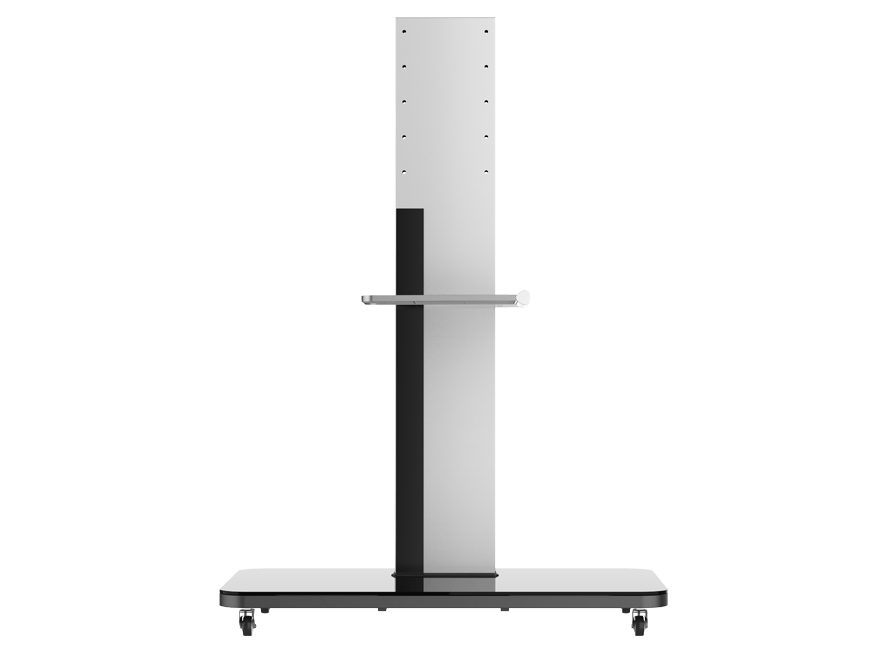
It’s not just tech that matters — how devices are positioned affects usability and safety. Mounts, brackets, stands, and racks keep screens and speakers secure and optimally placed. Poorly installed hardware can lead to glare, bad sound angles, or even hazards.
Professional installers ensure secure mounting and tidy cable management, which greatly improves the overall look and functionality of your system.
9 Integration Services
The final component isn’t a hardware piece, but a service: system integration. This is where all components — displays, sound, controls, conferencing gear — are configured to work together.
Without integration, even the best audio visual equipment can underperform or frustrate users. Integration ensures that everything communicates seamlessly, behaves predictably, and supports your business workflows.
Conclusion
Audio visual systems are more than a collection of gadgets. By partnering with a reputable audio visual equipment supplier and focusing on professional audio visual equipment, you ensure that your investment delivers value for years.
Whether you’re equipping a small meeting room or a large auditorium, a grasp of basic technologies helps you plan smarter, avoid common pitfalls, and ultimately select the best audio visual equipment for your needs while understanding how each piece contributes to the whole ecosystem.