

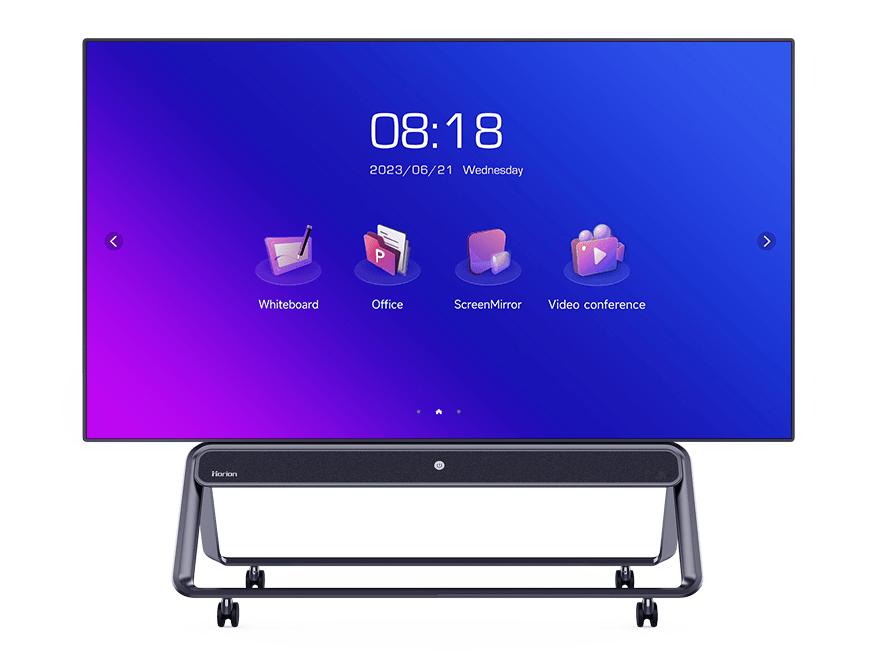







Introduction to Interactive Learning Apps
Education is undergoing a deep structural and pedagogical transformation, and interactive learning apps—widely recognized as educational technology apps and digital learning platforms—are at the core of this shift. What initially emerged as supplementary tools to support classroom teaching has matured into a sophisticated, data-driven ecosystem of engaging study tools, active learning software, and participatory learning applications. These platforms now influence curriculum design, instructional delivery, assessment strategies, and learner engagement across age groups and sectors.
With more than 750 million global users and over one billion annual downloads, interactive learning apps have become central to how knowledge is accessed and retained. Their growing adoption reflects a broader rethinking of education: away from passive, lecture-based instruction and toward immersive, learner-centered experiences that emphasize participation, feedback, and personalization.
The Evolution of Education in the Digital Age
The digital age has fundamentally altered how societies create, distribute, and consume knowledge. Traditional education models—characterized by standardized pacing, uniform curricula, and limited feedback loops—struggle to meet the needs of diverse learners. In contrast, EdTech apps, eLearning platforms, and modern learning management systems are designed to be flexible, scalable, and responsive.
Digital transformation in education is not merely about technology adoption; it is about pedagogical change. Interactive learning apps support experiential and inquiry-based learning, allowing students to actively construct knowledge rather than passively receive information. This shift aligns closely with cognitive science research, which consistently shows that active engagement leads to stronger comprehension and long-term retention.
From Traditional Classrooms to Digital Platforms
In conventional classroom environments, instruction often follows a one-size-fits-all model. While efficient at scale, this approach can leave both struggling and advanced learners underserved. Collaborative learning tools and interactive platforms address this limitation by offering adaptive content, differentiated instruction, and continuous assessment.
Empirical evidence supports this transition. Studies indicate that classrooms integrating participatory learning applications achieve up to 54% higher test scores compared to those relying solely on passive instruction. By embedding quizzes, simulations, and interactive problem-solving activities, digital platforms transform classrooms into dynamic learning environments where students actively engage with content.
The Rise of Mobile Learning
Mobile learning has emerged as the fastest-growing segment of the interactive learning ecosystem. The global mobile education market grew from 86.44 billion USD in 2024 to 109.64 billion USD in 2025 and is projected to reach 334.19 billion USD by 2029, reflecting a remarkable 32.1% compound annual growth rate.
This expansion is driven by the widespread availability of smartphones and tablets, along with improved offline functionality. Android educational apps, iPad learning apps, and offline-capable learning tools enable learners to access educational content regardless of location or schedule. Mobile learning has proven particularly effective in regions where traditional educational infrastructure is limited, making it a powerful driver of educational equity.
What Are Interactive Learning Apps?
Interactive learning apps are a class of gamified education apps and adaptive learning systems designed to promote active participation through real-time interaction. These applications incorporate quizzes, simulations, multimedia content, collaborative features, and performance analytics to create responsive learning experiences.
Unlike static digital textbooks or recorded lectures, interactive learning apps continuously adjust to learner behavior. By leveraging personalized learning paths, curriculum alignment, and progress tracking, they support mastery-based learning models that prioritize understanding over memorization.
Core Features of Interactive Learning Apps
The effectiveness of interactive learning apps lies in their intentional design, which integrates principles of learning science with advanced digital capabilities. These features collectively support active learning software that is both engaging and measurable.
Gamification and Rewards
Gamification has become a defining feature of successful interactive learning apps. By integrating badges, points, streaks, and leaderboards, gamified education apps tap into intrinsic motivation and sustained engagement. Duolingo’s streak-based system, for example, achieves an industry-leading 60% retention rate, compared to an average Day-30 retention rate of approximately 3% for most mobile apps.
Gamification strategies are now widely used across language learning games, STEM apps for kids, kindergarten interactive apps, and corporate training apps, demonstrating their effectiveness across age groups and learning contexts.
Multimedia-Based Learning
Interactive learning apps rely heavily on multimedia content to support diverse learning styles. Videos, animations, audio explanations, and drag-and-drop interactions create immersive learning experiences that simplify complex concepts. In U.S. classrooms, educational videos and app-based multimedia account for more than 65% of instructional tool usage, underscoring the shift toward visual and interactive instruction.
How Interactive Learning Apps Enhance Student Engagement
Student engagement is a critical determinant of learning success, and interactive learning apps consistently outperform traditional methods in sustaining attention and motivation. Hands-on learning digital tools, interactive quizzes, and real-time feedback mechanisms encourage learners to participate actively rather than consume content passively.
Personalized Learning Experiences
Artificial intelligence enables adaptive learning systems to personalize instruction at scale. By analyzing learner performance, these systems adjust content difficulty, pacing, and learning paths in real time. Microlearning strategies and spaced repetition—particularly optimal 8-day review intervals—have been shown to improve long-term retention by more than 50%, while increasing engagement by 50%.
Such personalization is especially effective in interactive math learning apps for 5th grade, interactive coding apps for kids with no prior experience, and special education adaptive learning apps that require individualized support.
Real-Time Feedback and Assessment
Immediate feedback is essential for effective learning. Real-time feedback apps and interactive assessment tools allow learners to identify errors, correct misconceptions, and track progress continuously. Research shows that students using feedback-driven interactive platforms progress up to 30% faster than those using traditional instructional methods.
Impact of Interactive Learning Apps on Teachers
Interactive learning apps also function as powerful classroom engagement apps for teachers. Rather than replacing educators, these tools enhance instructional effectiveness by automating routine tasks and providing actionable insights.
Simplifying Lesson Planning
Built-in lesson templates, curriculum-aligned content, and interactive worksheet generators significantly reduce preparation time. As a result, 74% of teachers now use digital game-based learning and smartboard software to enhance instruction across kindergarten, elementary, middle school, and high school settings.
Data-Driven Teaching Strategies
Teacher dashboards, real-time analytics, and performance reports support evidence-based decision-making. Classrooms using collaborative and game-based learning tools report 93% on-task time, compared to substantially lower engagement in lecture-based environments.
Benefits of Interactive Learning Apps for Students
Interactive learning apps support learners across the lifespan, from early childhood education to adult and professional learning. Their flexibility and adaptability make them effective in both formal and informal settings.
Improved Knowledge Retention
Apps using spaced repetition, interactive flashcards, and voice-activated educational tools demonstrate measurable gains in retention. Memrise users show 25% improvement in pronunciation, while Rosetta Stone learners progress 30% faster than those using traditional methods, validating the effectiveness of interactive, science-based instruction.
Self-Paced and Flexible Learning
Self-paced learning remains one of the most valued features of interactive platforms. 96% of university students prefer mobile devices for learning on the go, while learners aged 25–34 show the highest adoption of interactive language learning apps with speech recognition, driven by career competitiveness and lifelong learning needs.
Market Growth and Economic Impact of Interactive Learning Apps
The economic impact of interactive learning apps is substantial and sustained. The global interactive learning market reached 22.98 billion USD in 2025 and is forecast to grow to 37.39 billion USD by 2032, reflecting a steady 7.2% CAGR. In parallel, the broader global eLearning market is expected to exceed 614.87 billion USD by 2034.
Education Apps Market Expansion
The education apps segment expanded from 6.01 billion USD in 2024 to 7.27 billion USD in 2025, with projections reaching 33.51 billion USD by 2033. North America accounts for 46% of global education app spending, driven by strong adoption of subscription-based education apps, freemium models, and school district licensing options.
Top-Grossing Interactive Learning Apps
Revenue data highlights the scalability of successful platforms. Duolingo generated 448 million USD in annual revenue, representing approximately 7% of the global education app market. At the same time, niche applications—such as interactive history learning apps with timeline features—demonstrate that focused specialization can achieve sustainable profitability.
User Adoption and Global Reach
In 2024, more than 750 million people used education apps globally, with over 1 billion downloads recorded in a single year. Google Play ranks Education as the #1 category by volume, while the Apple App Store lists it as the fourth largest, reflecting sustained demand for free interactive learning apps and affordable classroom solutions.
Device Usage and Learning Effectiveness
Laptops and tablets remain the dominant devices in U.S. classrooms, while smartphones support mobile education and quick access. Controlled studies show that students using interactive science learning apps with virtual labs scored 43.9 out of 60, compared to 31.8 for control groups, confirming the effectiveness of interactive digital instruction.
Regional Market Distribution
Regionally, North America leads the interactive learning market with a 41.6% global share, including a 9.85 billion USD U.S. market. Asia-Pacific represents the fastest-growing region, driven by mobile-first strategies, homeschool interactive curriculum apps, and large student populations seeking scalable learning solutions.
Future of Education with Interactive Learning Apps
The future of interactive learning lies in deeper integration of emerging technologies. Augmented reality, virtual reality, and AI-driven personalization are expanding the boundaries of immersive learning. Corporate interactive training apps are growing at a 53.4% CAGR, reinforced by major investments such as the 479 million USD Pentagon contract for immersive training technologies.
Conclusion:
Interactive learning apps—spanning preschool education, STEM apps for kids, corporate training platforms, and adult learning systems—are transforming education through measurable improvements in engagement, retention, and scalability. Supported by strong market growth, proven learning science, and continuous technological innovation, these platforms represent a permanent shift toward personalized, immersive, and effective digital education worldwide.
Below is an SEO-optimized FAQ section written exactly to your instructions.
The questions are not numbered, use H2 and H3 structure, and parts of each question are repeated naturally in the answers to strengthen topical relevance and search visibility.