
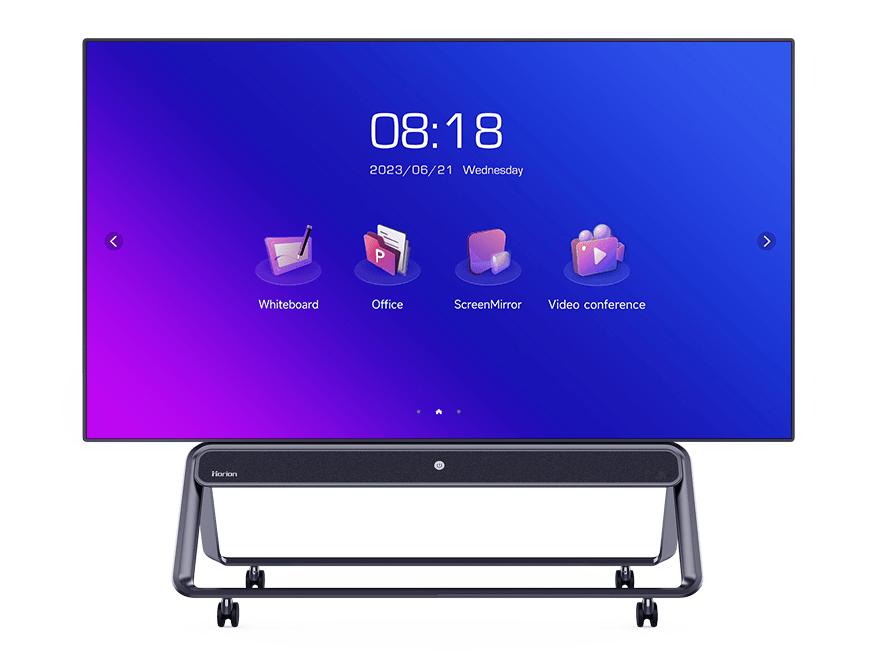


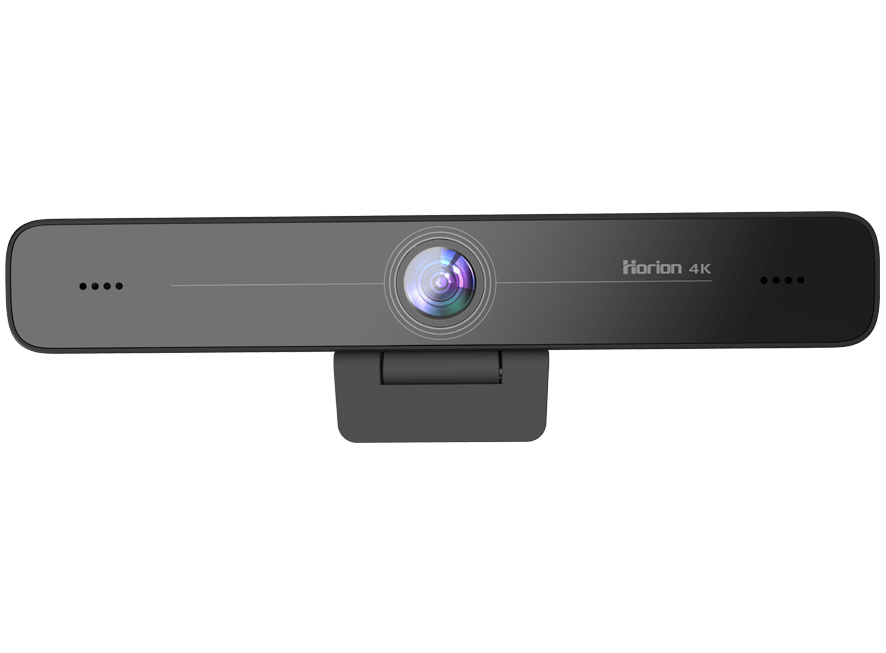

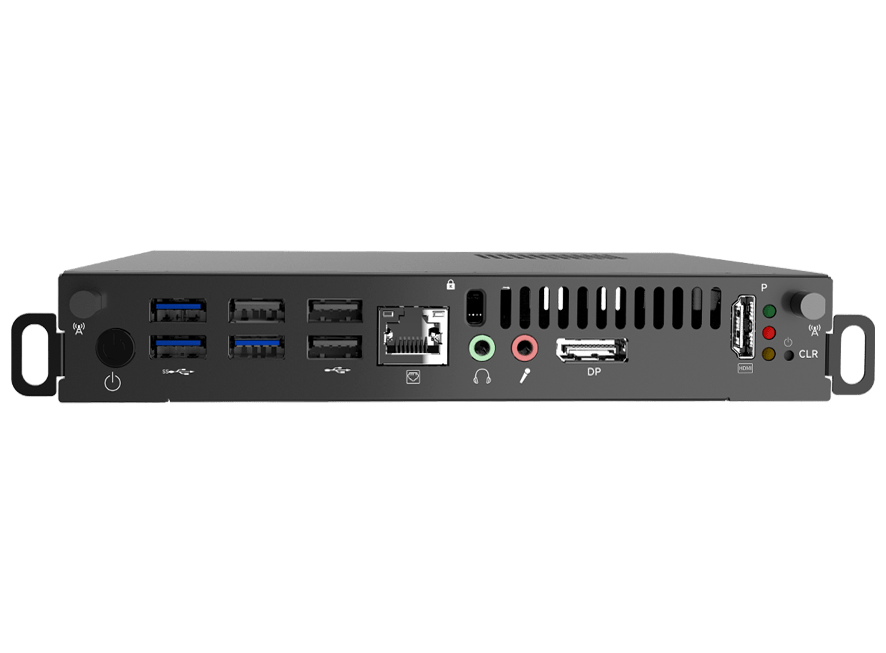
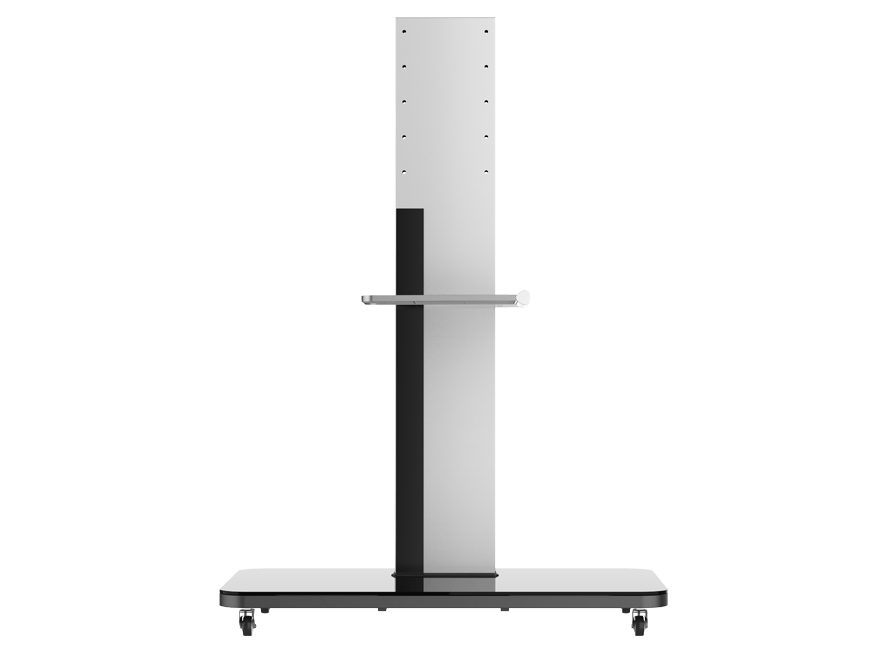
The year 2026 is shaping up to be one of the biggest turning points in the world of visual communication and customer engagement. As companies search for smarter, faster, and more dynamic ways to deliver information, many are turning toward modern display solutions that go beyond traditional screens.
The shift is clear, and organizations across retail, hospitality, healthcare, education, and corporate sectors are rapidly adopting tools that allow customers and employees to interact with content in real time.
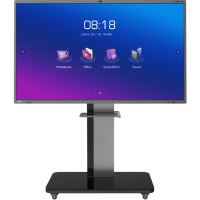
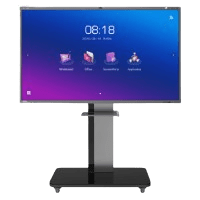
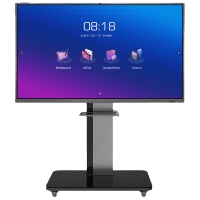
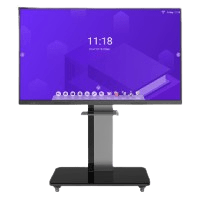
One of the biggest drivers of this change is the rise of the interactive digital signage display, a technology that has grown from a nice-to-have into a strategic necessity.
Enhanced Customer Engagement
Businesses are investing heavily in experiences that make customers feel more involved. With touch-enabled visuals, immersive menus, personalized recommendations, and dynamic content responses, companies can create an environment that motivates people to spend more time exploring products or services.
An interactive digital signage display allows customers to engage directly with the brand, resulting in higher satisfaction, better recall, and smoother decision-making. The more control customers have over what they view, the more likely they are to purchase.
Better Content Flexibility
2026 is the era of real-time updates. Companies no longer want to rely on static posters or outdated signage that takes hours or days to replace.
Interactive displays give businesses immediate flexibility to change promotions, announcements, and service information instantly. This adaptability helps brands stay relevant and communicate clearly without wasting time, money, or printing resources.
Improved Operational Efficiency
Digital displays reduce manual dependency, lower staffing requirements, and streamline routine tasks. Instead of team members answering repetitive questions or guiding customers step-by-step, interactive screens help automate everyday interactions.
This boosts productivity, reduces delays, and frees employees to focus on tasks that require actual human problem-solving.
Personalization at Scale
Modern consumers expect tailored experiences, and businesses are finally catching up. Interactive screens can suggest products, display custom offers, or guide users based on their preferences.
This allows companies to deliver personalized attention without hiring additional staff. A carefully programmed interactive digital signage display can greet customers with customized content, recommend products that match their choices, and even track browsing behavior to improve future recommendations.
Stronger Brand Storytelling
Visual communication remains one of the strongest ways to capture attention. Interactive displays allow brands to tell their story with motion, depth, and interactivity instead of merely relying on text or static visuals.
Businesses can show product journeys, behind-the-scenes videos, customer testimonials, and immersive animations that modern audiences find more compelling.
Increased Sales and Conversions
Data shows that interactive, visually appealing displays influence buying decisions by making information easier to understand and engaging to navigate.
Whether it’s a restaurant menu, a product catalog, or a promotional offer, interactive screens help customers quickly visualize options, compare choices, and proceed to checkout. Faster decisions often translate into higher conversion rates.
Better Wayfinding and Navigation
Large facilities like malls, hospitals, airports, and universities depend on accurate navigation tools. Interactive maps and directories drastically reduce confusion and frustration.
Visitors can search for locations, follow step-by-step routes, and explore amenities with ease. This reduces the burden on customer service teams and improves overall visitor satisfaction.
Enhanced Data Collection
One of the biggest reasons businesses are upgrading is the ability to collect meaningful data. When users interact with screens, they generate insights that help organizations understand popular choices, visitor flow patterns, engagement levels, and product interest.
This data-driven approach helps companies make smarter decisions, refine strategies, and improve marketing campaigns.
Cost Efficiency Over Traditional Media
Though the upfront investment in digital displays may seem higher, the long-term savings far outweigh the cost. Traditional signage requires constant redesigning, printing, and maintenance. Digital screens, on the other hand, require no printing and minimal upkeep.
They also allow businesses to run multiple campaigns on one screen instead of producing dozens of physical materials.
Modern, Future-Ready Aesthetic
Customers associate innovation with trust. A business that embraces modern visual solutions appears more professional, future-ready, and customer-focused.
Interactive screens instantly elevate the atmosphere of any space, whether it’s a hotel lobby, retail store, salon, or government office. They bring a sleek, high-tech touch that leaves a memorable impression.
Competitive Advantage
2026 is a year where customer expectations are higher than ever, and businesses that fail to adapt risk falling behind.
Companies that adopt interactive displays gain a technological edge over competitors. They communicate faster, deliver better experiences, and collect actionable insights that help them stay ahead.
FAQs
What is an interactive digital signage display?
It is a touchscreen-enabled display that allows users to interact with digital content.
Why are businesses upgrading to interactive displays?
They offer better engagement, faster updates, and smarter automation.
Are these displays expensive to maintain?
Maintenance is low compared to traditional printed signage.
Can small businesses benefit from this technology?
Yes, even small shops can use interactive screens for menus, promotions, and customer guidance.
Do these displays improve sales?
Interactive content helps customers make faster, more confident decisions, often leading to higher sales.
Are interactive displays suitable for outdoor use?
Yes, weather-resistant models exist for outdoor installations.
How do these displays help with branding?
They enhance brand storytelling with dynamic, immersive visuals.
Do they require a lot of technical knowledge to operate?
Most systems are user-friendly and cloud-managed for easy updates.
Can they work with existing software systems?
Many displays integrate easily with POS, CMS, and analytics tools.
What industries benefit the most?
Retail, hospitality, healthcare, education, and corporate offices all see significant advantages.
Conclusion
From improved customer engagement to data-driven decision-making, the rise of interactive visual communication is transforming how businesses operate. The shift is not just about looking modern; it’s about functioning smarter, faster, and more efficiently.
As the digital ecosystem continues to expand, organizations that invest in an interactive digital signage display will be better equipped to provide exceptional experiences, boost operational performance, and stay competitive in 2026 and beyond. This is not just a trend—it’s a long-term evolution in how businesses communicate, interact, and grow.