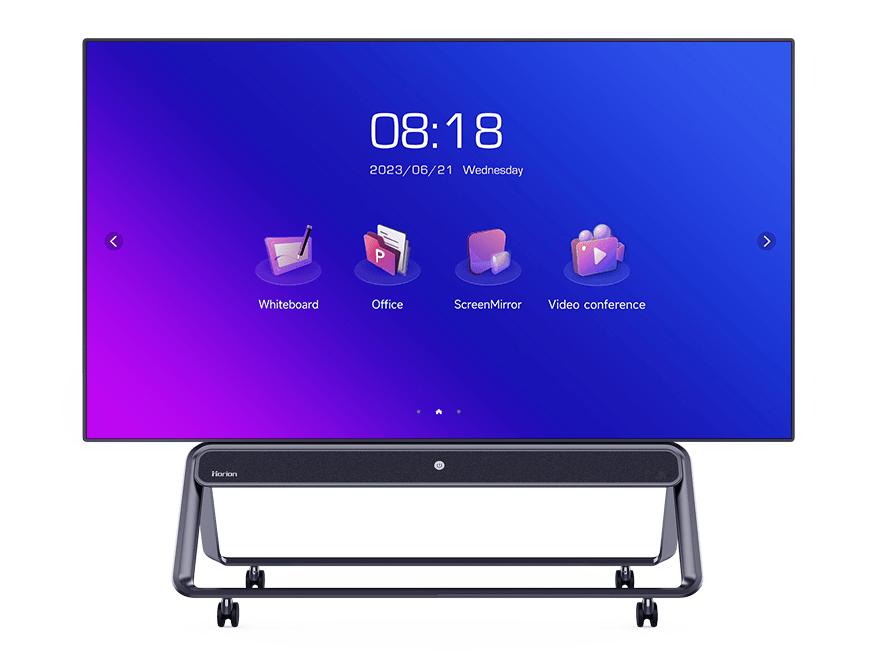
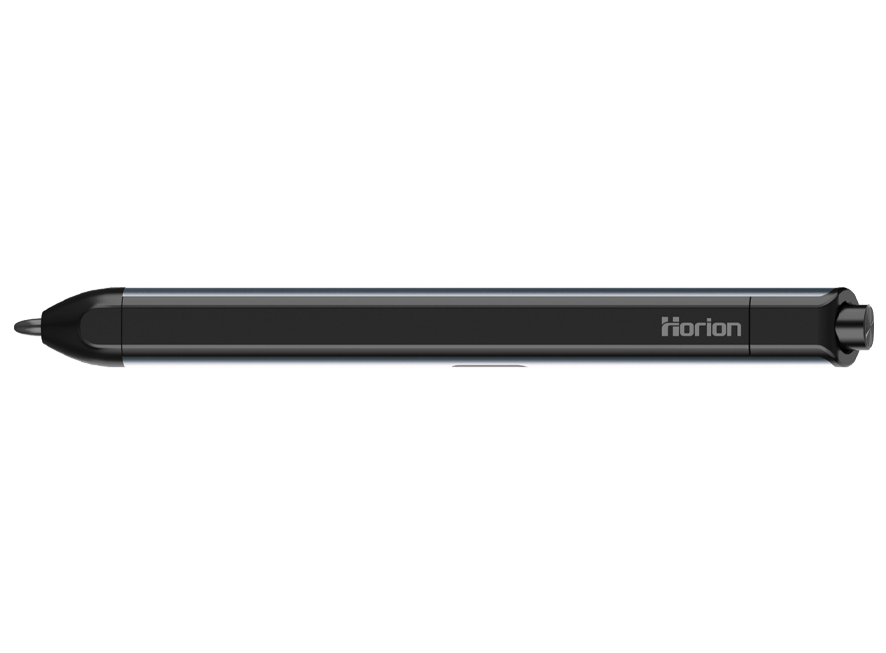
Designers today need tools that move as fast as their ideas. Traditional tablets and input devices often slow down creativity, but a interactive pen display changes everything.
With precision drawing, natural pressure sensitivity and a more intuitive workflow, designers can finally work the way they think. Whether you’re illustrating, editing or crafting UI layouts, this tech brings speed, accuracy and freedom to your daily tasks.
In industries where visuals matter, creative professionals rely on tools that help them produce higher-quality work. That’s exactly why modern creators continue to favor a interactive pen display monitor that keeps up with their evolving needs.
1. It Feels Like Drawing on Real Paper
One of the biggest reasons designers love using a interactive pen display is the natural, authentic feel. Instead of disconnecting your eyes from your hand, you’re drawing directly on the screen.
The pen reacts like a real pencil or brush, making difficult strokes easier to control. This level of realism reduces frustration, especially when working on detailed illustrations or sketches. The more natural the experience, the more confidently you can produce accurate results.
Designers often say it eliminates the “disconnect” that comes with traditional tablets because the display mirrors every movement as it happens.
2. More Precision for High-Detail Work
Pixel-perfect accuracy is crucial when you’re designing interfaces, icons or character art. A interactive pen display monitor gives designers the level of precision they need to nail every tiny detail.
The pressure and tilt responsiveness help create subtle variations that would be impossible with a mouse. With advanced calibration and smoother tracking, the final result appears exactly as intended.
Whether working on typography edits, shading or architectural lines, the increased control makes your workflow far more polished. It becomes easier to produce consistently high-quality work without constantly correcting mistakes.
3. Faster Workflow and Less Rework
Designers rely on tools that allow fast iteration. With a smart interactive pen display, your workflow dramatically speeds up. You can sketch ideas, fix mistakes, refine shapes and test concepts in half the time.
Instead of switching between devices or dealing with lag, the pen responds fluidly with each motion. This eliminates unnecessary friction and reduces the amount of time spent reworking designs.
Creators appreciate how the display helps maintain their creative flow without interruption. When inspiration hits, you get to execute ideas instantly without waiting for your tools to catch up.
4. More Comfortable for Long Work Sessions
Design work often demands hours of continuous focus. A smart interactive pen display reduces strain by allowing natural hand movements, minimizing wrist stress and encouraging better posture.
Many designers find that it decreases fatigue because it mimics real drawing techniques. Instead of gripping a mouse or working with awkward angles, you can maintain a relaxed position throughout.
Over long periods, this makes a huge difference in overall productivity. Comfort is often overlooked, but it’s one of the main reasons designers choose this setup for long-term creative work.
5. Perfect for Multiple Design Disciplines
An integrated pen-and-screen workflow is useful for illustrators, graphic designers, animators, product designers and even UI/UX creators. The versatility of interactive pen displays means a single device can support different creative needs.
Whether you’re drafting logos, editing photos, developing storyboards or crafting prototypes, it adapts effortlessly. The flexibility of switching between brushes, layers and tools enhances efficiency across software.
Designers in various industries use the same display for totally different purposes, making it one of the most adaptable tools on any workstation.
6. Better Collaboration and Real-Time Feedback
Many creative teams operate remotely or in hybrid environments. An interactive pen display monitor enables smoother collaboration because it allows designers to present visuals clearly and edit work in real time.
When working with clients, the ability to annotate directly on the screen makes revisions easier to understand. Instead of explaining ideas abstractly, you can draw clear examples.
This leads to faster decision-making and fewer revision cycles. In a world where communication is essential, these displays improve the clarity and speed of every creative discussion.
7. Ideal for Digital Transformation Workflows
Brands and agencies worldwide are shifting toward digital-first operations. A interactive pen display fits perfectly into modern creative processes where digital output matters more than ever. As companies adopt new tools to stay competitive, designers benefit from devices that integrate smoothly with professional software.
Because it’s intuitive, it lowers the learning curve for new team members. As digital demands grow, this display remains one of the most relevant tools for producing consistently high-quality content. It keeps designers competitive by enhancing both creativity and productivity.
8. A Future-Proof Investment for Any Designer
Investing in a smart interactive pen display is essentially investing in long-term creative growth. These devices are built to support advanced software, future features and evolving design needs.
As technology evolves, your display continues to deliver consistent performance. Designers value tools that grow with them, not ones they outgrow quickly.
Because this device supports multiple applications and creative styles, it ensures steady, reliable output for years. It’s not just a purchase—it’s a strategic investment in your professional potential.
FAQs
What is the main benefit of an interactive pen display?
It allows you to draw directly on the screen with natural precision and control.
Is an interactive pen display better than a regular tablet?
Yes, because it lets you work directly on the display, improving accuracy and reducing the learning curve.
Can beginners use an interactive pen display easily?
Absolutely. The intuitive interface makes it beginner-friendly.
Does an interactive pen display improve digital art quality?
Yes, the pressure sensitivity and realistic feel enhance overall quality and detailing.
Are interactive pen displays good for photo editing?
They are excellent for retouching, masking and high-detail corrections.
Do designers use them for UI/UX work?
Yes, many designers rely on them for wireframes, interfaces and prototypes.
Is an interactive pen display worth the investment?
For professionals, it significantly boosts productivity and creativity.
Can it reduce hand strain during long work hours?
Yes, the natural drawing motion helps maintain a comfortable posture.
Does it work with most creative software?
It is compatible with major applications like Photoshop, Illustrator and more.
Is it useful for remote collaboration?
Yes, it helps in sharing ideas clearly and making real-time edits during meetings.
Conclusion
Designers swear by interactive pen displays because they make creativity more natural, efficient and enjoyable. From precision drawing to faster workflows and improved collaboration, these devices enhance nearly every part of the design process.
The ability to draw directly on the screen brings confidence and control, allowing ideas to develop more freely. Whether you’re a beginner or a professional, the right display becomes an essential tool for producing your best work.
As the creative industry continues to evolve, designers rely on tools that keep pace. A modern pen display does exactly that, making it a must-have for any serious creator.