

Introduction to Luxury Meeting Spaces
A luxury meeting room is no longer a passive physical environment where discussions simply take place. In contemporary corporate ecosystems, it has evolved into a strategic instrument that directly influences leadership effectiveness, stakeholder confidence, and organizational credibility. These spaces function as command centers where governance decisions, mergers, investment strategies, and crisis management plans are formulated.
In high-performing enterprises, executive meeting rooms, premium boardrooms, and upscale meeting venues reflect corporate maturity and long-term vision. Much like a flagship headquarters building symbolizes institutional stability, a sophisticated meeting area communicates professionalism, trust, and ambition.
This growing strategic importance is reflected in market performance. The global conference room solutions market is projected to reach USD 6.40 billion by 2032, with the software segment expanding at a CAGR of 18.8%. These figures indicate that organizations increasingly view luxury meeting rooms as long-term investments rather than discretionary expenses.
The Evolution of Corporate Meeting Rooms
From Traditional Boardrooms to Smart Environments
Historically, corporate boardrooms were designed for physical presence. Long wooden tables, projector screens, and static seating arrangements dominated meeting environments. Communication depended heavily on in-person interaction, handwritten notes, and physical documentation.
However, digital transformation has redefined expectations. Modern luxury meeting rooms integrate telepresence systems, wireless presentation tools, digital whiteboards, and AI-driven collaboration platforms. These state-of-the-art meeting rooms enable real-time participation from geographically dispersed teams, creating seamless global connectivity.
The smart meeting room solutions market is expected to reach USD 4.9 billion by 2030, growing at 16% CAGR, demonstrating strong demand for intelligent, connected environments. Organizations increasingly invest in hybrid meeting technology to remain agile in dynamic business conditions.
Impact of Global Business Trends
Globalization, distributed workforces, and remote collaboration have reshaped corporate operations. Decision-making is no longer confined to headquarters. Instead, executive teams coordinate across time zones using integrated digital platforms.
The IT and telecom sector accounts for 33% of the conference room solutions market, highlighting the technological nature of modern collaboration. Companies rely heavily on platforms such as Microsoft Teams Rooms, Zoom Rooms, and Poly systems to ensure continuity.
North America dominates this market with 39% share, while maintaining over 40% of the smart meeting room sector, positioning the region as a leader in prestigious conference room development and enterprise-level adoption.
Defining Luxury in Modern Workspaces
Aesthetic Excellence
Luxury in meeting spaces is characterized by architectural harmony, refined material selection, and meticulous detailing. Contemporary designer meeting spaces emphasize clean lines, minimalist layouts, and premium finishes that enhance visual coherence.
The global luxury interior design market is projected to grow from USD 72.7 billion in 2025 to USD 128.5 billion by 2034, reflecting sustained demand for bespoke meeting environments. Organizations increasingly partner with specialized design firms to create visually distinctive yet functional spaces.
Aesthetic excellence also extends to lighting, textures, and spatial balance. Floor-to-ceiling windows, designer lighting fixtures, and natural materials contribute to refined atmospheres that inspire confidence.
Functional Superiority
While aesthetics create first impressions, functionality sustains long-term value. A luxury meeting room must support diverse meeting formats, technological integration, and user comfort.
Approximately 70% of high-end projects now incorporate smart systems, wireless presentation technologies, and advanced climate control. These features reduce operational friction and enhance user experience.
Ergonomics and Comfort
Ergonomics directly influences cognitive performance and physical well-being. Poor seating, inadequate lighting, and improper spacing can undermine productivity.
High-end environments prioritize adjustable chairs, posture-supportive seating, and adaptable tables. The luxury furniture market reached USD 24.9–31.06 billion in 2024, with chair sales exceeding USD 6 billion, demonstrating the importance of comfort in first-class meeting rooms.
Importance of High-End Meeting Rooms
Enhancing Corporate Image
A luxury meeting room functions as a symbolic extension of corporate identity. When clients, investors, or partners enter a prestigious business venue, they subconsciously evaluate organizational competence through spatial cues.
Research indicates that high-net-worth individuals allocate 15–20% of property value to premium interiors, emphasizing the perceived business value of sophisticated environments. In corporate contexts, this translates into improved brand perception and negotiation leverage.
Supporting Strategic Decision-Making
Strategic decisions require clarity, focus, and emotional stability. Well-designed environments minimize distractions and enhance mental engagement.
Studies show that optimized workspaces can improve productivity by up to 77%, particularly in premium meeting rooms for strategic planning sessions. Features such as acoustic insulation, controlled lighting, and ergonomic seating directly contribute to this effect.
Key Elements of Luxury Meeting Room Design
Premium Furniture
Furniture establishes the physical framework of meeting environments. Luxury office furniture reached USD 13.1 billion in 2024, driven by rising demand for durability and customization.
Executive boardrooms typically feature hardwood tables, leather seating, and modular configurations that accommodate varying group sizes. Custom conference tables ranging from USD 1,500 to 10,000 reflect the emphasis on craftsmanship.
Architectural Lighting
Lighting determines visual comfort, mood regulation, and perceptual clarity. Designer lighting solutions combine ambient, task, and accent illumination to achieve balanced environments.
Natural vs Artificial Lighting
Natural daylight improves cognitive alertness and emotional well-being. Floor-to-ceiling windows and skylights enhance spatial openness. Artificial LED systems supplement natural light and reduce energy consumption.
Smart lighting systems generally cost USD 500–5,000, depending on automation and integration capabilities.
Advanced Technology Integration
Smart Conferencing Systems
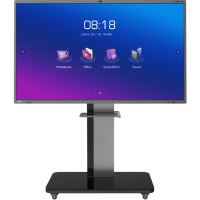
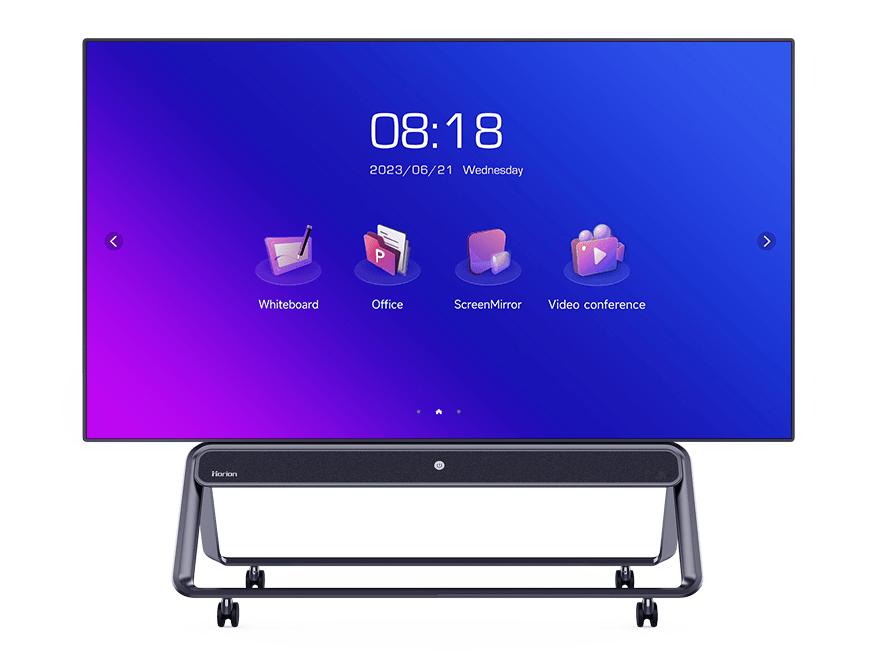
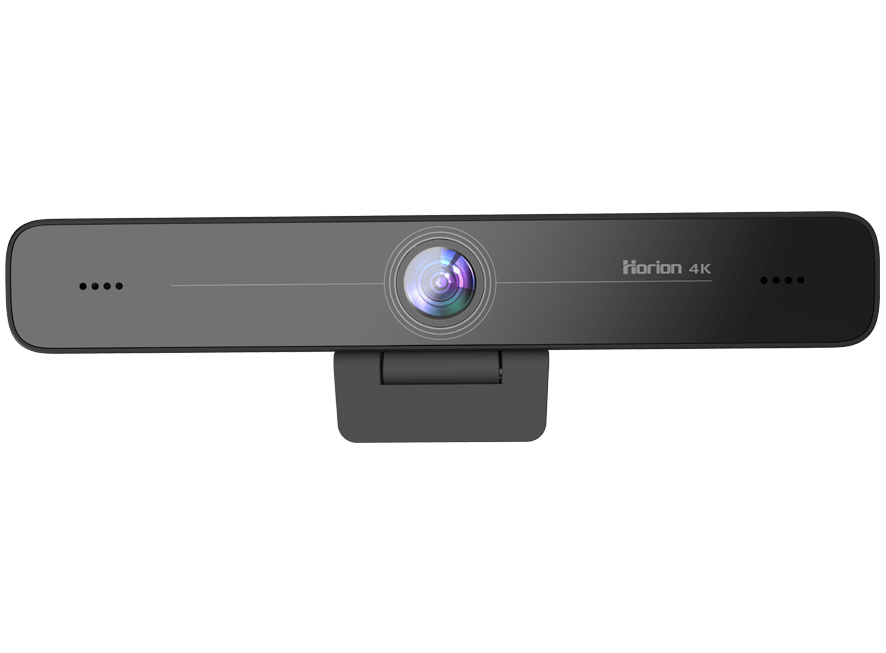
Modern luxury meeting rooms rely heavily on audiovisual infrastructure. HD displays, telepresence systems, and integrated cameras enable immersive collaboration.
The video conferencing hardware market is projected to grow from USD 8.19 billion in 2024 to USD 16.69 billion by 2035. Huddle rooms account for 45.7% of this market, reflecting growing demand for compact executive suites.
These systems support luxury meeting rooms for 10 people, private boardrooms, and client presentation spaces.
Automation and AI Tools
Automation minimizes manual intervention and operational inefficiencies. AI-driven scheduling, occupancy analytics, and predictive maintenance optimize resource utilization.
Cloud-based systems are growing at 18.8% CAGR, while room automation reached USD 101.34 billion in 2025, reinforcing its strategic relevance.
Acoustic and Soundproofing Solutions
Noise Control Materials
Acoustic performance is fundamental to communication clarity. Noise leakage compromises confidentiality and concentration.
Acoustic panels, insulated partitions, and noise-absorbing carpets reduce reverberation and external interference. Professional installations typically range from USD 1,000 to 5,000.
Sound Engineering
Sound engineering involves microphone placement, speaker configuration, and signal processing. Ceiling microphones and premium speakers ensure consistent voice transmission.
These systems are essential for private boardrooms with soundproofing, particularly in merger negotiations and stakeholder meetings.
Interior Design and Aesthetics
Color Psychology
Color schemes influence psychological responses. Neutral tones promote focus, while strategic accents stimulate creativity.
European and North American design traditions emphasize subtle palettes combined with natural materials to create distinguished conference venues.
Material Selection
Premium materials enhance durability and visual appeal. Marble, glass, wood, and metal dominate luxury environments.
Wood accounts for 24.5% of luxury furniture materials, reflecting its versatility and timeless appeal.
Sustainable Luxury Solutions
Eco-Friendly Materials
Sustainability is now integral to luxury design. Approximately 55% of projects specify eco-friendly materials, driven by regulatory requirements and ESG commitments.
Recycled wood, low-VOC paints, and biodegradable fabrics reduce environmental impact.
Energy-Efficient Systems
The smart office market is projected to grow from USD 50.67 billion in 2024 to USD 136.63 billion by 2032. Energy management systems, smart HVAC, and automated lighting drive this expansion.
Customization and Personalization
Brand Integration
Brand elements reinforce organizational identity. Logos, color schemes, and corporate narratives are embedded within spatial design.
Leading firms such as Gensler and HOK specialize in bespoke executive environments tailored to corporate culture.
Flexible Layouts
Modular layouts enable multifunctionality. A single space may serve as:
- Luxury conference room for board meetings
- Investor meeting room
- Leadership summit venue
This flexibility maximizes asset utilization.
Security and Privacy Considerations
Data Protection
Digital security safeguards intellectual property. Encrypted networks, firewalls, and secure servers protect sensitive communications.
Cybersecurity concerns remain a major adoption barrier in connected environments.
Physical Security
Physical security systems include biometric access, surveillance cameras, and controlled entry points. These measures ensure privacy in VIP meeting rooms.
Budgeting and Cost Management
Investment vs Return
A fully integrated luxury meeting room requires USD 20,000–150,000+. AV systems alone may cost USD 18,000–50,000.
Despite high initial investment, returns manifest through enhanced productivity, reputation, and client retention.
Long-Term Value
Annual maintenance costs of USD 500–2,000 preserve system reliability and extend lifecycle value.
Choosing the Right Vendors
Vendor Evaluation Criteria
Leading providers include Cisco, Poly, Logitech, Crestron, Microsoft, and Zoom. Vendor selection should consider:
- Technical certifications
- Integration expertise
- Support infrastructure
- Upgrade pathways
Project Management
Top design firms control nearly 60% of premium contracts, reflecting market consolidation. Professional project management minimizes delays and cost overruns.
Future Trends in Luxury Meeting Rooms
Virtual Reality Meetings
VR-enabled collaboration enables immersive remote participation, reducing travel expenses and carbon emissions.
Hybrid Work Integration
Reducing office presence to two days per week can save £200 per employee per month, encouraging demand for on-demand premium spaces and flexible bookings.
Common Mistakes to Avoid
Overdesign
Overemphasis on aesthetics without functional alignment reduces usability and ROI.
Ignoring User Needs
Failure to incorporate booking systems, breakout areas, and catering services results in underutilized spaces.
Case Studies of High-End Workspaces
Multinational Corporations
Global firms standardize governance spaces across regions, integrating automation, security, and branding.
Boutique Firms
Boutique organizations emphasize personalized hospitality, curated materials, and concierge services.
Implementation Roadmap
Planning Phase
This phase includes:
- Needs assessment
- Budget allocation
- Vendor selection
- Room reservation planning
Execution Phase
Execution involves construction, AV integration, system testing, and staff training to ensure readiness.
Conclusion and Final Thoughts
Luxury meeting room solutions now represent a high-growth ecosystem exceeding USD 250 billion across smart offices, automation, design, and conferencing technologies.