

Introduction to Modern Meeting Room Audio Visual Solutions
The modern workplace is evolving at a pace never seen before. Gone are the days when meeting rooms were merely spaces with a projector, a whiteboard, and a few chairs. Today, meeting room audio visual (AV) solutions form the backbone of collaborative office environments, connecting in-person teams with remote colleagues seamlessly. Investing in corporate audio visual solutions is no longer a luxury—it’s a strategic decision that directly impacts productivity, employee satisfaction, and even a company’s bottom line.
This shift is reflected clearly in the numbers. The global video conferencing equipment market, valued at USD 12.05 billion in 2023, is projected to reach USD 38.27 billion by 2032, reflecting a CAGR of 13.7% from 2024 to 2032. The huddle room solutions market alone is expected to reach USD 11.12 billion by 2033, growing at a CAGR between 13.1% and 14.8%. These statistics highlight how organizations are increasingly prioritizing enterprise meeting technology, smart meeting room setups, and boardroom technology to support modern workplace demands.
For businesses navigating hybrid work models, effective meeting space technology is critical. Employees now expect high-quality collaboration room systems, seamless video conferencing setups, and fully integrated unified communications room experiences.
Why Meeting Room Audio Visual Technology Matters in Modern Offices
The Shift Toward Hybrid Meeting Technology
Hybrid work models are redefining what an office looks like. Employees often attend meetings from home, satellite offices, or while traveling. Without reliable workplace AV integration, meetings can become frustrating experiences characterized by delayed audio, frozen video, or unclear visuals.
Hybrid work policies are contributing +4.2% to global video conferencing market CAGR, particularly in North America and Europe. Organizations are now integrating corporate audio visual solutions that include advanced huddle room equipment and boardroom technology, ensuring all participants—remote or in-person—can collaborate effectively.
Hybrid meeting technology also supports employee flexibility and reduces overhead costs. For instance, large enterprises spend USD 242,000 per year on video conferencing hardware and software, yet these investments yield significant savings, such as an estimated USD 11,000 per employee annually, by reducing travel, shortening meeting times, and improving decision-making.
Productivity and Communication Enhancement
Clear communication is the foundation of productivity. The average business video call lasts 29 minutes, and poor audio or visuals can make these calls ineffective. Incorporating enterprise meeting technology, including meeting room cameras, wireless presentation systems, and sound systems for offices, ensures that participants can engage fully, share ideas, and make decisions efficiently.
Beyond productivity, AV systems foster inclusivity. Features like AI-powered auto-framing cameras, ceiling microphone arrays for meeting spaces, and soundbars with built-in microphones for huddle rooms ensure that remote or hearing-impaired participants experience the same clarity and engagement as those in the room.
Core Components of Meeting Room Audio Visual Systems
Effective meeting room AV systems combine multiple technologies—display, audio, video, and control solutions—to create seamless collaboration experiences. Each component plays a vital role in supporting productivity, engagement, and hybrid work.
Display Solutions for Business and Conference Room AV Systems
Visual clarity is critical for comprehension and engagement during meetings. High-quality displays and projection systems serve as the centerpiece for any smart meeting room.
LED Displays and Interactive Panels
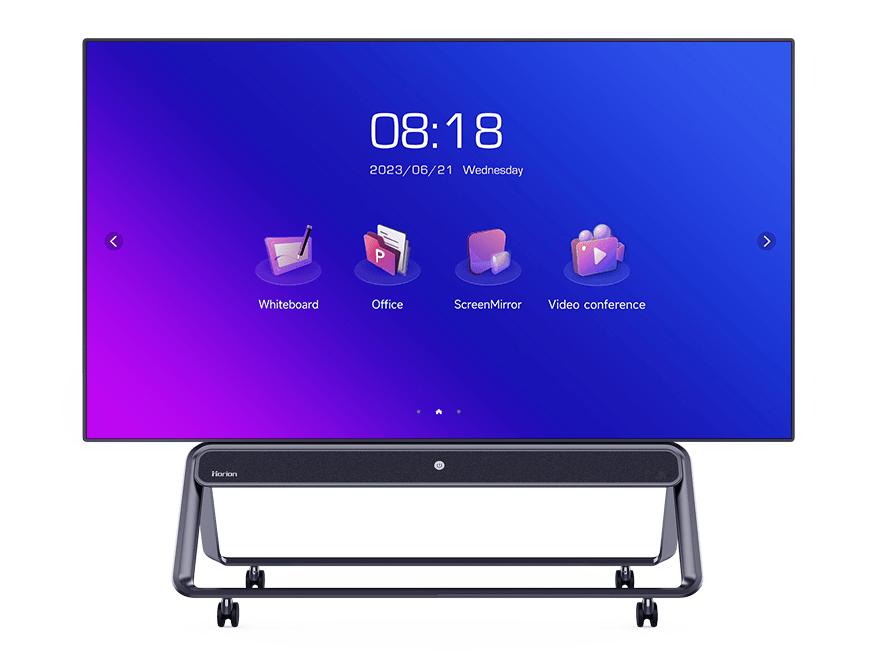
Interactive LED panels allow participants to annotate content in real-time, share screens wirelessly, and engage with dynamic presentations. These display solutions for business support wireless screen sharing for meeting rooms, making them essential in small huddle room audio visual setups and training room audio visual equipment.
Interactive panels also integrate seamlessly with room scheduling systems, enabling teams to see room availability and start meetings quickly, improving overall office efficiency.
Projectors and Projection Screens
While LED panels dominate smaller spaces, projectors and projection screens remain valuable for large conference rooms, training facilities, and executive briefing centers. High-lumen projectors provide scalable solutions for all-hands meeting space AV integration, delivering large-format visuals that accommodate multiple participants while maintaining image clarity.
Audio Systems: Professional Audio Equipment and Sound Systems for Offices
Microphones, Speakers, and Ceiling Microphone Arrays
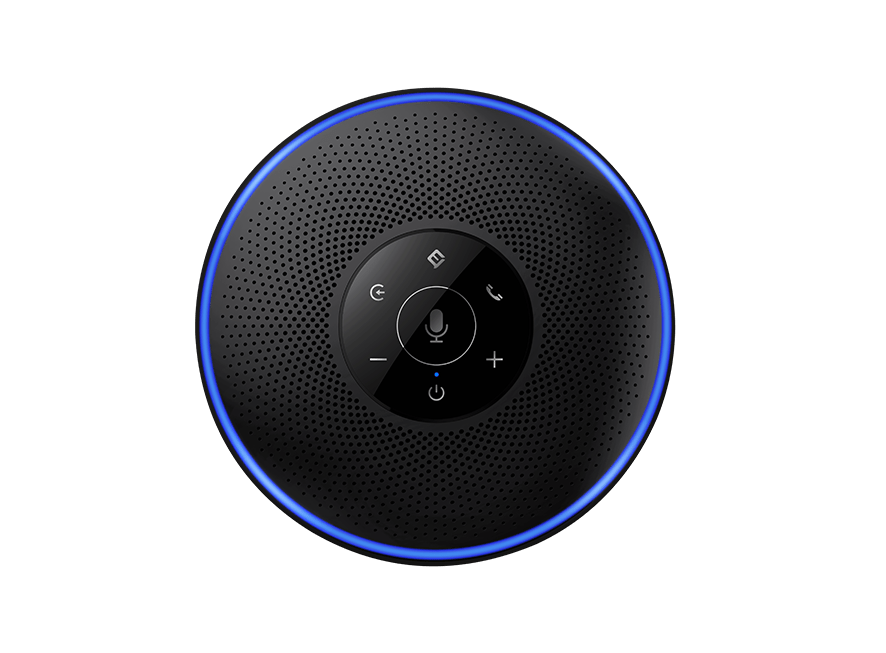
Audio quality is as important as visual clarity. Poor sound can lead to missed information and disengaged participants. Modern sound systems for offices include ceiling microphone arrays, speakerphones, and soundbars with built-in microphones for huddle rooms.
These systems are essential for collaboration room systems, particularly in hybrid meetings. With features like acoustic echo cancellation and digital signal processing (DSP), they ensure clear communication for both remote and in-room participants.
Acoustic Treatment for Offices
Even the best hardware underperforms without proper acoustic treatment for offices. Integrating acoustic panels, sound-absorbing materials, and strategic room design enhances audio quality while minimizing disruptive noise. Proper treatment is particularly important in large boardroom AV system design and training room audio visual equipment, where clarity is critical for presentations and compliance.
Video Conferencing Hardware and Meeting Room Cameras
USB Cameras, PTZ Cameras, and AI-Powered Auto-Framing
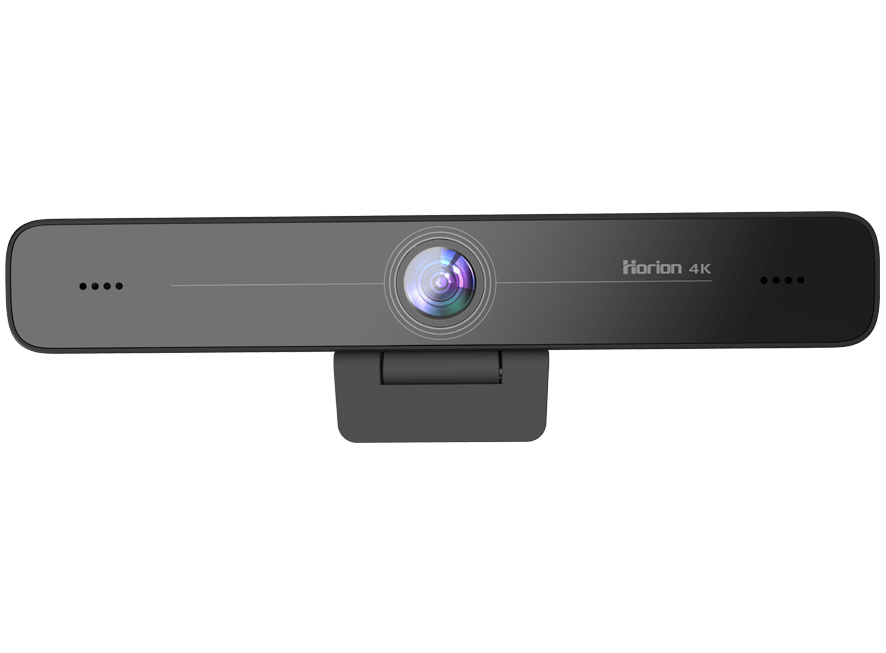
High-quality meeting room cameras are vital for effective communication. USB cameras currently hold 25.4% of market share, making them ideal for BYOD meeting room solutions and small meeting room audio visual setups.
Collaboration bars, integrating cameras, microphones, and speakers, are experiencing the fastest growth with a 16.6% CAGR, making them a go-to choice for smart meeting rooms. Large boardrooms often use PTZ camera systems for boardrooms and AI-powered auto-framing meeting room cameras to ensure that all participants are clearly visible and engaged.
Codecs and Video Processors
Video processors synchronize audio and video feeds for smooth video conferencing setups across platforms like Zoom Rooms, Microsoft Teams Rooms, and Google Meet hardware for conference rooms. This integration is crucial for enterprise meeting technology, ensuring meetings proceed without technical disruptions.
Types of Meeting Rooms and Their AV Requirements
Huddle Rooms: Small Huddle Room Audio Visual Setup
Huddle rooms, designed for 4–6 participants, emphasize spontaneous collaboration. They are fast-growing, representing 45.7% of total deployment value in the video conferencing hardware market.
Key AV features for huddle rooms include wireless presentation systems, plug-and-play USB cameras, and soundbars with built-in microphones. These setups simplify meeting room cable management solutions and support quick, flexible collaboration.
The huddle room solutions market, currently valued between USD 2.87–3.85 billion (2024), is forecasted to exceed USD 11 billion by 2033, growing at a CAGR between 13.1–14.8%.
Medium Conference Rooms: Meeting Room Technology for Collaboration
Medium-sized rooms require enterprise meeting technology that balances performance and cost. This includes meeting room cameras, multi-channel microphones, display solutions for business, and room automation systems. Integration with platforms like Teams and Zoom ensures a seamless unified communications room experience.
Large Boardrooms: Large Boardroom AV System Design
Large boardrooms demand sophisticated boardroom technology and executive meeting room technology solutions. Components include PTZ cameras, multi-control units (MCU), and advanced acoustic treatment for offices. These systems support formal meetings, training room audio visual equipment, and all-hands/town hall AV integration.
Such boardrooms also require scalable room scheduling systems and digital signage for meetings, providing participants with information and agenda updates at a glance.
Smart and Integrated AV Solutions
Wireless Presentation Systems and BYOD Meeting Room Solutions
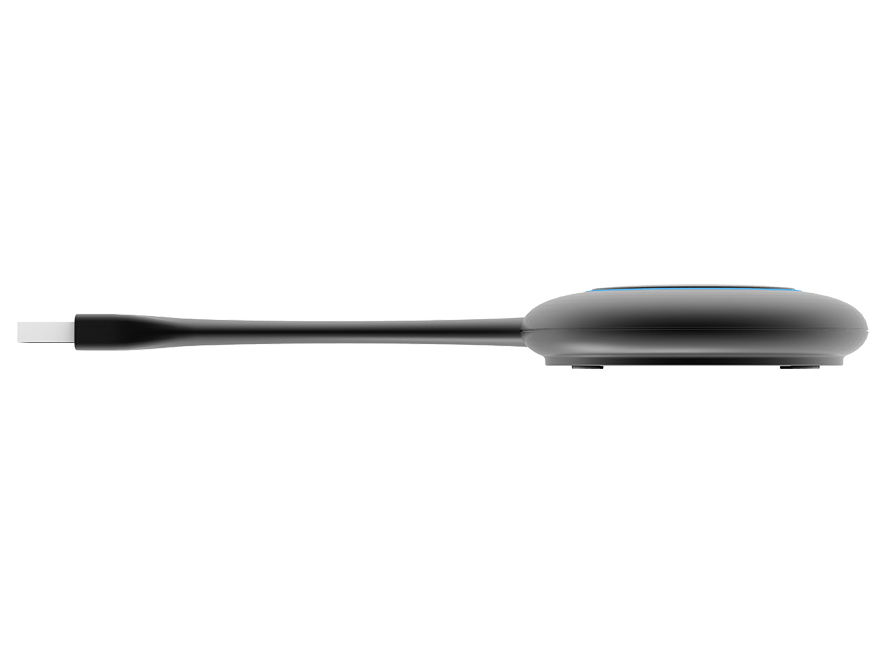
Wireless screen sharing for meeting rooms is now standard, enabling participants to connect laptops, tablets, or smartphones without cables. This is particularly important for small meeting rooms, huddle rooms, and training room audio visual equipment, where flexibility is critical.
BYOD meeting room solutions reduce hardware costs and allow teams to work with familiar devices, improving adoption and satisfaction.
Unified Communications Rooms and Platform Ecosystems
Modern corporate audio visual solutions integrate with multiple platforms: Zoom Rooms, Microsoft Teams Rooms, Google Meet hardware, and Cisco Webex devices. This platform-native meeting room solution approach ensures video conferencing setups remain consistent across locations and devices.
AV Control Systems and Room Automation Systems
Room automation systems simplify meeting management by integrating controls for lighting, audio, and displays. Touch panels and centralized controls allow for:
- One-touch meeting start
- Automatic device calibration
- Scheduling integration
These features enhance adoption of meeting room technology and reduce reliance on IT teams, particularly for training rooms or all-hands meeting space AV integration.
Designing an Effective Meeting Room AV Setup
Room Size, Layout, and Lighting Considerations
A well-designed AV system design considers the following:
- Room dimensions and seating arrangement
- Optimal lighting for meeting room cameras and displays
- Integration with room scheduling systems and cloud management
Occupancy sensors and real-time analytics improve meeting space technology, helping organizations optimize space usage and plan future office layouts.
User-Friendly Interfaces and Collaboration Tools
User-friendly interfaces for collaboration room systems and digital signage for meetings encourage adoption. Features like annotation, screen sharing, and interactive whiteboards support productivity, particularly in hybrid meeting technology scenarios.
Challenges in Meeting Room AV Implementation
Compatibility and Scalability
Interoperability issues can reduce efficiency, slowing adoption of enterprise meeting technology. Selecting platform-agnostic meeting room audio visual solutions ensures longevity and scalability.
Budget, CAPEX, and Maintenance Concerns
High upfront costs, semiconductor volatility, and ongoing maintenance challenge many organizations. Professional services such as meeting room AV installation services, audio visual system maintenance contracts, and AV system design consultations help organizations manage cost while maximizing ROI.
Industry-Specific Adoption of Meeting Room AV Solutions
Verticals Driving Growth
- Healthcare: Telemedicine, HIPAA-compliant video, projected 17.1% CAGR
- Education: Hybrid classrooms, digital campuses
- Corporate: Boardrooms, huddle rooms, enterprise meeting technology
- Government: Secure video conferencing, zero-trust compliance
Commercial premises represent 39.8% of end-user market share, and healthcare facilities are the fastest-growing segment.
Regional Market Insights
- North America: 35–42% market share, USD 5.9B; USA CAGR 12.3%
- Europe: 27% share; Germany CAGR 10.9%
- Asia-Pacific: Fastest-growing (17.27% CAGR); India 16.5% CAGR, China 14.9% CAGR
These regions are driving enterprise meeting technology adoption, workplace AV integration, and collaboration room systems.
Future Trends in Meeting Room Audio Visual Solutions
- AI-powered cameras for auto-framing and transcription
- Spatial audio and intelligent speaker tracking
- Hybrid meeting technology for equitable remote and in-room experiences
- Sustainable, ESG-compliant hardware upgrades
- Growth in wireless presentation systems and BYOD meeting room solutions
By 2030, global video conferencing hardware is expected to reach USD 17 billion, with huddle room equipment continuing to dominate growth.
Conclusion
Meeting room audio visual solutions are essential for modern offices, driving engagement, productivity, and collaboration. With global markets expanding, organizations adopting enterprise meeting technology, boardroom technology, and collaboration room systems gain a strategic advantage. Investing in professional AV system design, installation, and acoustic assessments ensures offices stay ahead of hybrid work trends, enabling smart meeting room experiences that maximize efficiency and employee satisfaction.