

Introduction to Meeting Room Audio Systems
In today’s modern workplaces, meeting rooms have evolved beyond simple spaces for gathering. They have become central communication hubs, supporting hybrid collaboration where participants can join both in-person and remotely. A high-quality meeting room sound system ensures that every conversation is heard clearly, regardless of distance, and provides a professional, seamless environment for discussions, presentations, and brainstorming sessions.
The meeting room equipment market was valued at USD 1,787.5 million in 2024 and is expected to reach USD 6,319.77 million by 2032 at a CAGR of 17.1%. This impressive growth highlights the increasing investment by organizations in corporate AV solutions and conference room audio systems to support productivity and collaboration.
With the rise of remote work and hybrid meetings, employees and executives rely on meeting space acoustics and presentation audio systems to facilitate effective communication. Organizations that ignore the importance of high-quality audio risk miscommunication, reduced productivity, and lower engagement in their teams.
Why a High-Quality Meeting Room Sound System Matters
Audio quality is often underestimated but remains one of the most critical components of a productive meeting. Whether it’s a small huddle room or a large executive boardroom, the clarity of communication directly impacts decision-making and overall efficiency.
Impact on Communication Clarity
When voices are not captured clearly, participants must repeat themselves, leading to frustration and wasted time. Technologies such as beamforming audio, 360-degree microphones, and echo cancellation allow every participant to hear and be heard, even in rooms with challenging acoustics or background noise.
Recent studies show that ~47% of organizations prefer advanced noise-cancellation and voice enhancement technologies, highlighting how seriously businesses are taking meeting room audio. Clear communication in meetings also reduces errors, improves understanding, and increases engagement for both in-person and remote attendees.
Productivity and Professionalism
A high-quality boardroom sound system enhances professionalism and reinforces credibility in the eyes of clients, partners, and employees. Reports indicate that 68% of organizations demand hybrid conferencing solutions, reflecting the growing importance of corporate communication tools and unified communications audio.
Professional audio solutions, such as full-duplex audio, ensure that conversations can flow naturally without awkward pauses or cross-talk, which is particularly important in executive boardroom sound setups or during webinar broadcasting.
Key Components of a Meeting Room Sound System
Understanding the core components of a meeting room sound system is essential to making an informed purchase. Each element plays a critical role in delivering high-quality audio across different room types.
Microphones
Microphones are the frontline of any sound system, capturing voices with precision. The conference system microphone market is projected to grow from USD ~796.3 million in 2026 to ~USD 1,415.6 million by 2035, with wireless options increasingly favored due to flexibility and ease of installation.
Microphone types include pendant microphones, gooseneck microphones, and table mics, each suitable for specific use cases, from huddle room audio to large boardroom audio solutions.
Wired vs Wireless Microphones
Wired microphones provide consistent audio quality and are less prone to interference, making them ideal for permanent corporate AV solutions. Wireless microphones, forming part of a wireless conference room microphone and speaker setup, are perfect for dynamic rooms and BYOD audio systems. Integration with Zoom Rooms certified audio or Microsoft Teams room audio ensures compatibility with modern conferencing tools.
Speakers
Speakers determine how sound is distributed throughout a meeting room. Options include ceiling speakers, wall-mounted speakers, and soundbars for meetings.
- Ceiling speakers: Offer uniform sound coverage, ideal for large boardrooms and rooms with open layouts.
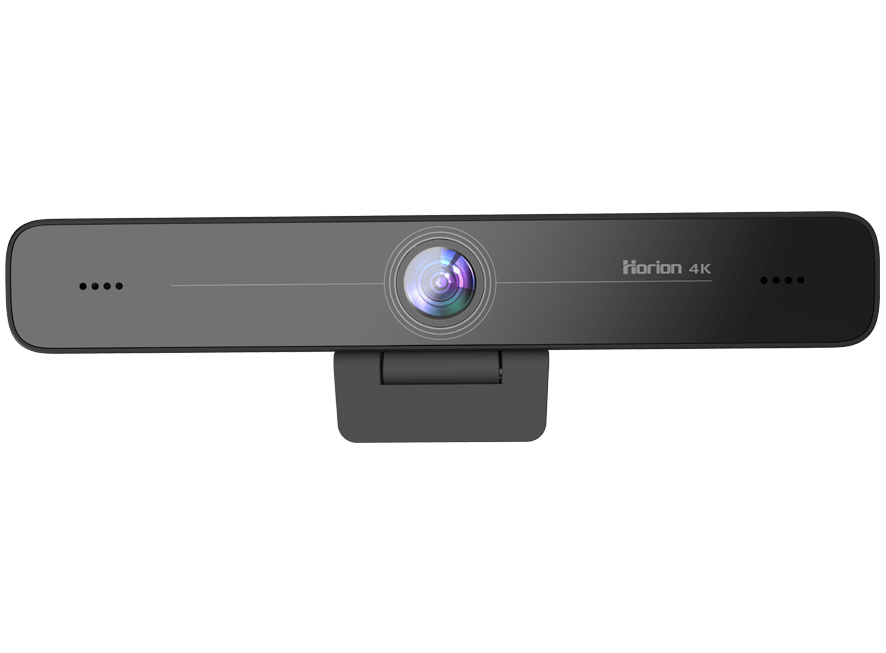
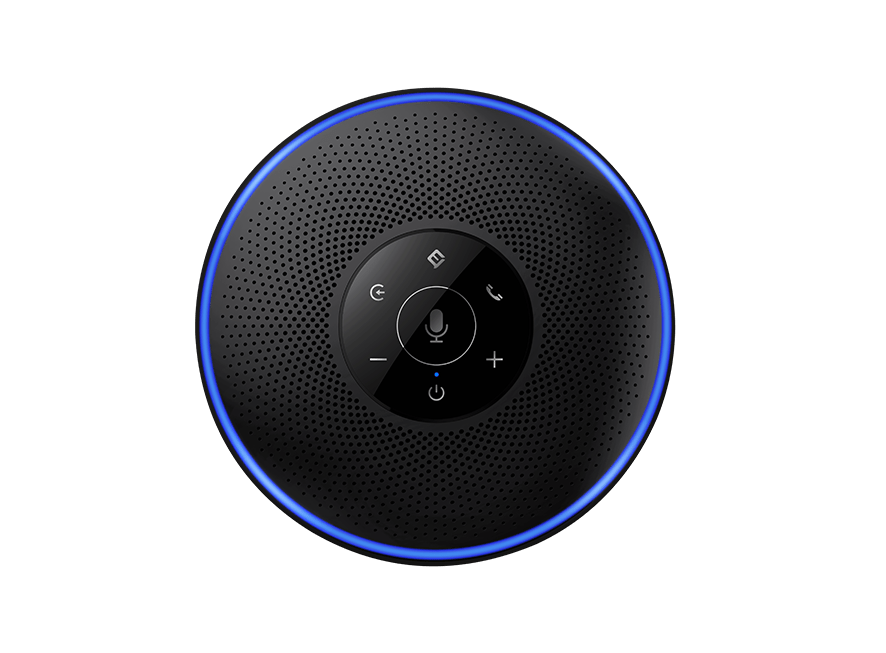
- Soundbars: Compact, all-in-one solutions for small meeting rooms, integrating both speakers and microphones.
In 2024 alone, over 1.8 million intelligent touch control panels were shipped globally, and 650,000 all-in-one video soundbars were installed in smaller meeting rooms during the first half of 2025, demonstrating widespread adoption of integrated corporate AV solutions.
Ceiling Speakers vs Wall-Mounted Speakers
Ceiling-mounted solutions are excellent for distributing sound evenly, while wall-mounted or line array speakers provide directional audio for specific seating arrangements. Correct placement, such as following a ceiling speaker placement guide, ensures optimal sound absorption, reduces room reverberation, and delivers high-quality full-duplex audio.
Audio Mixers and Amplifiers
Mixers and amplifiers are essential in larger conference rooms to manage multiple inputs and deliver consistent volume across the space. Advanced digital sound processing (DSP) allows integration with AV system integration setups, providing audio over IP, HD audio, and wideband audio. Proper configuration enables multiple microphone setups for large tables, crucial for executive boardroom sound and all-hands meeting space audio.
Types of Meeting Room Sound Systems
The type of meeting room sound system you choose depends on room size, purpose, and required features.
Small Meeting Rooms
For huddle room audio, compact speakerphone systems or Bluetooth conference speakers are ideal. Small-scale systems are often budget-friendly, ranging under $500, and offer simple integration for Zoom calls or Teams meetings. Products may include USB speakerphones or soundbars with built-in audio, perfect for quick setup and minimal wiring.
Medium Conference Rooms
Medium-sized conference rooms require microphone arrays, ceiling or wall-mounted speakers, and audio visual solutions integrated with Teams room audio or Zoom Rooms audio. These spaces benefit from mid-range conference sound systems ($500–$2000) and often incorporate beamforming audio, AEC (Acoustic Echo Cancellation), and ANR (Active Noise Reduction) for clear, high-quality sound. Hybrid work adoption, with cloud infrastructure spending of ~USD 14 billion in 2024, has driven the widespread deployment of such systems.
Large Boardrooms and Auditoriums
Larger venues require multiple microphones, amplifiers, and professional sound equipment. Meeting room acoustic treatment is crucial; the market is valued at ~USD 2.14 billion in 2024, expected to reach ~USD 3.67 billion by 2033 (CAGR ~5.8%). Solutions such as ceiling microphone systems for large conference rooms ensure that even participants at long tables are heard clearly. Integration with Dante-enabled meeting room audio systems or PoE ceiling speakers ensures scalability and future-proofing.
Wired vs Wireless Sound Systems
Wired systems provide reliable, low-latency audio ideal for permanent enterprise sound systems installations. In contrast, wireless systems allow flexible setup and scalability for video conferencing audio in hybrid meetings. Wireless solutions now dominate ~60% of smart audio conferencing systems, reflecting the shift toward flexible WiFi-enabled meeting room sound.
Sound System Integration with Video Conferencing Tools
Integration with conferencing platforms is critical for hybrid meetings. A well-designed meeting room sound system supports unified communications audio, BYOD audio systems, and certified integration with Zoom Rooms, Teams room sound, or Google Meet hardware audio.
Compatibility with Zoom, Microsoft Teams, and Google Meet
Certified devices ensure HD audio, AEC, AGC, and ANR functions are supported. This enables remote hybrid meetings, town hall audio, and recording meeting audio without quality loss. Integration with room automation audio ensures audio levels, microphone routing, and video conferencing systems work seamlessly.
Acoustic Considerations for Meeting Rooms
Even the best audio systems can fail in poorly treated rooms. Factors like room reverberation, sound absorption, STC rating, and acoustic panels play a significant role.
Room Size and Layout
Room size dictates system requirements: small rooms may need a single soundbar or ceiling microphone, while larger rooms require line array speakers, multiple pendant microphones, and all-hands meeting space audio. Regional adoption shows North America accounts for 28–35% of global demand, with Europe and Asia-Pacific contributing 25–34% each.
Noise Control and Echo Reduction
To eliminate echo and background noise, use audio DSP configuration, AEC, and ANR technologies. For open office environments, sound masking systems can improve clarity during hybrid meetings and video conferencing audio sessions.
Factors to Consider Before Buying a Meeting Room Sound System
Budget, scalability, and maintenance are crucial. 30% of SMEs cite installation cost as a major barrier, while 28% of manufacturers face supply chain delays, highlighting the importance of planning.
Budget and Cost Efficiency
Consider solutions based on your needs:
- Budget meeting room audio under $500: Small huddle rooms, simple USB audio systems.
- Mid-range conference sound system ($500–$2000): Medium conference rooms with integrated AV system integration.
- Enterprise meeting room audio ($2000+): Large boardrooms with Dante audio networking, multiple microphones, and ceiling speakers.
Scalability and Future Expansion
Invest in solutions that can grow with your organization, including AV rack equipment for meetings, all-hands meeting space audio, and PoE ceiling speaker installations.
Ease of Installation and Maintenance
Small rooms may allow DIY conference room sound system setups, but larger spaces benefit from professional installation services by AV integrators for corporate meeting rooms. Regular calibration ensures optimal performance.
Common Mistakes to Avoid
- Ignoring meeting room acoustic treatment and sound system needs
- Prioritizing price over performance
- Choosing systems incompatible with USB audio class, HD audio, or Opus codec
- Underestimating room layout and reverberation issues
Best Practices for Optimal Sound Performance
- Calibrate regularly and optimize microphone placement
- Maintain acoustic panels and sound masking systems
- Use beamforming audio and full-duplex audio technologies for hybrid meetings
- Test multiple microphone setups for large tables
Future Trends in Meeting Room Sound Systems
- AI-driven noise cancellation and voice tracking
- Smart AV system integration for building management
- Growth of wireless conference systems and Dante-enabled networking
- Increased adoption of video bars with built-in audio and USB audio for meeting rooms
Conclusion
The meeting room sound system market is growing rapidly, with hybrid work, AI technologies, and professional corporate communication tools driving adoption. From huddle room audio to executive boardroom sound, modern organizations invest in systems to enhance clarity, productivity, and collaboration.
The global conference room solutions market is projected to grow from USD ~20.73 billion in 2024 to ~USD 45.52 billion by 2035, underscoring the growing importance of high-quality audio in modern workplaces. Choosing the right system, with proper acoustic design, professional sound equipment, and AV system integration, ensures your meetings are productive, efficient, and professional.