
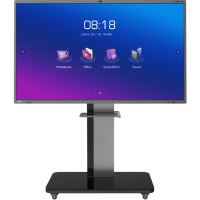
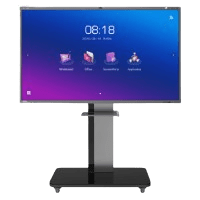
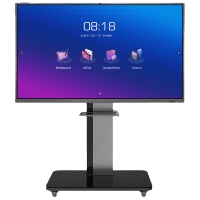
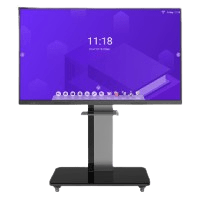






Introduction to Interactive Display Technology
Interactive display technology has transitioned from a niche innovation into a foundational pillar of global digital transformation. Across education systems, corporate environments, healthcare institutions, retail ecosystems, and smart cities, interactive displays are redefining how people consume, manipulate, and collaborate around digital information. What was once a simple touch screen technology has evolved into a sophisticated ecosystem of interactive visualization systems, cloud-connected platforms, and AI-enhanced interfaces.
This evolution is clearly reflected in market performance. By 2025, the global interactive display market reached an estimated USD 48–52 billion, depending on market scope definitions. Forward-looking projections suggest the market could grow to USD 90–108 billion by 2030–2034, representing a near doubling within a single decade. Such growth signals more than demand—it reflects the strategic importance of interactive flat panels, digital whiteboard systems, and collaborative display solutions in shaping the future of human–computer interaction.
Understanding Interactive Display Technology
Definition and Core Concept
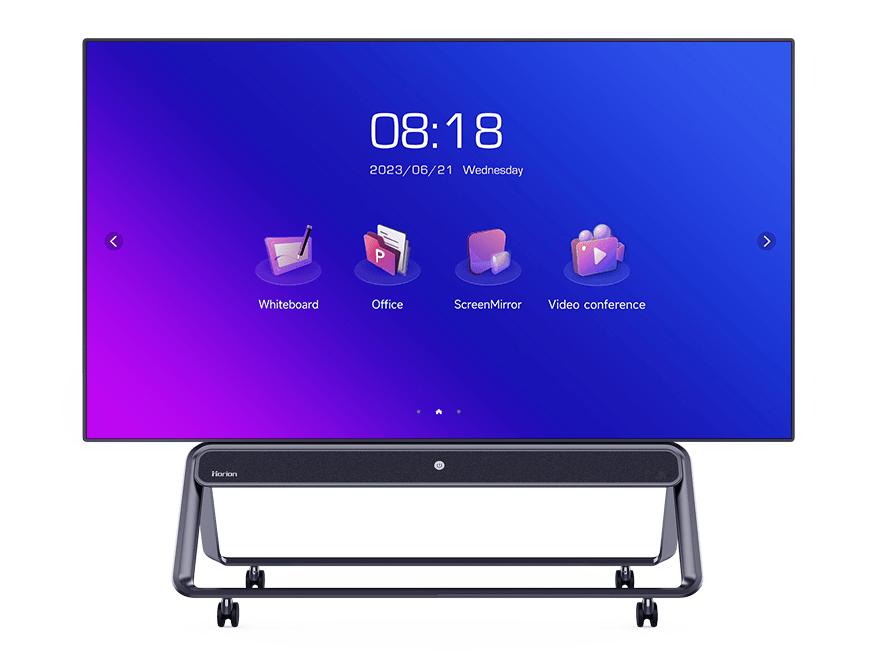
Interactive display technology refers to digital screens that allow direct user interaction through multi-touch interface technology, stylus input, gesture-controlled displays, or voice-based commands. Unlike passive displays, these systems enable real-time collaboration, content manipulation, and dynamic feedback.
At a functional level, interactive displays act as shared digital workspaces. They enhance visual communication, enable live content sharing, and support simultaneous input from multiple users. Whether in a classroom or a boardroom, the result is deeper user engagement and more effective information exchange.
Evolution of Display Technologies
The evolution of interactive displays mirrors advancements in computing, sensor accuracy, and UI/UX design. Early projection systems offered limited interactivity, often restricted to single-point input.
From Static Screens to Intelligent Interfaces
Modern smart board technology integrates AI-powered handwriting recognition, real-time transcription, and digital annotation tools. These features are increasingly critical in interactive display technology for business collaboration and education. In the United States, market value is projected to grow from USD 14.14 billion in 2025 to USD 28.25 billion by 2034, driven largely by intelligent software, hybrid work adoption, and cloud integration.
Key Components of Interactive Display Systems
Touch and Gesture Recognition
Advanced interactive displays rely on infrared touch technology and capacitive touch displays to deliver precise touch responsiveness. Multi-touch gesture control allows multiple users to interact simultaneously, supporting collaboration and ideation.
Gesture-controlled displays and touchless interfaces are rapidly gaining traction, particularly after the pandemic, as organizations prioritize hygiene and accessibility in healthcare interactive displays and retail touch screen kiosks.
Sensors and Input Technologies
Cameras, motion detectors, and proximity sensors form the backbone of modern interactive visualization systems. These technologies enable accurate interaction across large interactive screen sizes, making them suitable for transportation hubs, government meeting room tech, and command centers.
Software and User Interface Design
Interactive display software defines usability and effectiveness. Features such as cloud-based collaboration tools, screen mirroring, cross-platform compatibility, and wireless connectivity enable seamless real-time annotation and content sharing. Studies show that over 90% of users prefer personalized interactive content, underscoring the importance of intelligent software design.
Types of Interactive Display Technologies
Touchscreen Displays
Touchscreen displays remain the most widely adopted interactive format. Interactive flat panels account for 98.1% of education and corporate installations, largely due to their intuitive interface, durability, and support for 4K interactive touch screens with high display brightness.
Interactive Whiteboards
Digital whiteboard systems dominate K-12 interactive solutions and higher education displays. Compared to traditional boards, the interactive display vs traditional whiteboard comparison strongly favors digital learning boards, particularly for hybrid learning, real-time annotation, and classroom engagement.
Augmented, Virtual, and Holographic Displays
AR, VR, and holographic display interfaces represent the next frontier of immersive interaction. These technologies are increasingly used in medical simulations, museum interactive exhibits, and high-end retail experiences.
Large-Scale Interactive Video Walls
Interactive video walls play a growing role in digital signage interaction, particularly in transportation, entertainment, and security environments. Their ability to combine scale with interactivity makes them powerful tools for public communication.
Role of Interactive Displays in Education
Enhancing Student Engagement
Education is the largest and most established application segment. Interactive classroom displays, smart boards for schools, and touch screens for teaching improve student engagement through gamification, collaborative problem-solving, and multimedia learning.
Digital Classrooms and Smart Learning
Asia-Pacific is the fastest-growing region, with 14% CAGR projected between 2025 and 2034. Government-backed EdTech solutions and demand for affordable interactive touch screen displays for classrooms are fueling widespread adoption across K-12 and higher education institutions.
Impact on Business and Corporate Environments
Interactive Displays in Meetings and Collaboration
Conference room interactive displays and digital meeting room solutions are now essential in the hybrid workplace. Organizations increasingly evaluate how to choose interactive display technology for meetings, prioritizing multi-user collaboration, wireless connectivity, and video conferencing integration.
Data Visualization and Decision Making
Interactive visualization systems enable real-time exploration of complex datasets. Corporate and government sectors collectively account for approximately 32% of global applications, reflecting strong demand for collaborative decision-making tools.
Interactive Display Technology in Healthcare
Patient Engagement and Education
Healthcare interactive displays enhance patient understanding through intuitive visual explanations and interactive wayfinding systems. Touch screen technology improves accessibility and reduces administrative friction.
Medical Training and Diagnostics
Hospitals and medical schools deploy large format interactive display technology with multi-touch capability for diagnostics, simulations, and collaborative consultations, improving clinical accuracy and training outcomes.
Retail and Customer Experience Transformation
Personalized Shopping Experiences
Retail and hospitality represent the fastest-growing vertical, expanding at 9.2% CAGR. Retail touch screen kiosks enable self-service, mobile transactions, and personalized product recommendations.
Digital Signage and Brand Engagement
Digital signage interaction enhances brand storytelling and user engagement. Interactive kiosks dominate self-service deployments in retail, healthcare, and transportation environments.
Interactive Displays in Smart Cities
Public Information Systems
North America held 39% of global market share in 2024, driven by smart infrastructure investment. Interactive displays support real-time transportation updates, digital wayfinding, and emergency communication.
Urban Planning and Citizen Interaction
Cities increasingly use collaborative display solutions for urban planning, enabling citizen participation and transparent decision-making.
Integration with Artificial Intelligence and IoT
AI-Powered User Interaction
AI enables adaptive interfaces, content personalization, and predictive interaction—key to interactive display technology for remote team collaboration and smart learning environments.
Real-Time Data and Smart Environments
With IoT connectivity, interactive displays function as centralized dashboards, integrating data across smart buildings, factories, and transportation systems.
Technology Landscape and Performances
Display Technology Breakdown
LCD remains dominant due to affordability, while direct-view LED is the fastest-growing at 9.5% CAGR, driven by declining costs and superior brightness. OLED technology continues to expand in premium and flexible display use cases.
Challenges and Limitations
Cost and Infrastructure Barriers
High upfront costs and installation complexity—often requiring a touch screen interactive display installation guide—remain barriers, particularly for large-format displays.
Supply Chain and Trade Challenges
Glass substrate price hikes, semiconductor shortages, and U.S. tariffs on Chinese and South Korean panels continue to impact pricing and supply stability.
Key Market Players Driving Innovation
Market leadership includes Samsung Electronics, LG Electronics, Sharp, NEC, ViewSonic, BenQ, with education-focused innovation led by SMART Technologies and Promethean. Enterprise ecosystems are supported by Panasonic, Crestron, Cisco, and touch specialists such as Elo Touch Solutions.
Future Trends Shaping the Industry
Hybrid Work and Learning
Interactive displays are central to the benefits of interactive display technology in hybrid learning, enabling seamless collaboration across physical and digital environments.
Gamification and Immersive Learning
Gamification, 3D avatars, and interactive courseware are redefining digital learning boards and student engagement technology.
Smart Cities and Infrastructure Expansion
Middle East & Africa, though smaller in market size, is growing rapidly at 9.7% CAGR, fueled by smart-city initiatives and public-sector investment.
Conclusion and Final Thoughts
Interactive display technology has evolved into a strategic enabler of global digital transformation. With the market expected to grow from approximately USD 50 billion today to USD 90–108 billion within the next decade, its role across education, enterprise collaboration, retail engagement, healthcare, and smart cities is firmly established.
Driven by AI integration, cloud-based collaboration, declining LED costs, and evolving user expectations, interactive displays are redefining how humans engage with digital content. The future of interaction is not merely visual—it is intelligent, immersive, and profoundly human-centered.