







Introduction to Interactive Learning Tools
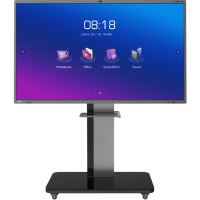
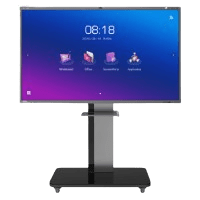
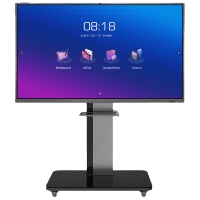
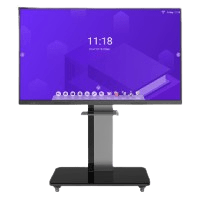
Interactive learning tools have become a defining force in the evolution of modern education, fundamentally reshaping how learners engage with knowledge, instructors, and one another. Unlike traditional teaching aids that primarily support one-way information delivery, interactive learning tools function as engaging educational software and student-centered digital tools that actively involve learners in the learning process. These tools encourage exploration, participation, and collaboration, creating learning environments where students do not simply consume information but interact with it meaningfully.
The global growth of interactive learning tools reflects this paradigm shift. The interactive learning market, valued at USD 22.98 billion in 2025, is projected to reach USD 37.39 billion by 2032, growing at a 7.2% compound annual growth rate (CAGR). This expansion is not merely technological; it signals a pedagogical transformation toward participatory learning platforms, hands-on digital learning resources, and active learning systems designed to improve engagement, retention, and learning outcomes across educational levels.
The Evolution of Education in the Digital Era
From Passive Learning to Active Engagement
For decades, education relied heavily on teacher-led lectures, static textbooks, and rote memorization. While effective in certain contexts, these approaches often limited student engagement, critical thinking, and long-term knowledge retention. Interactive learning tools address these shortcomings by enabling active participation, problem-solving, and real-time interaction with content.
Research strongly supports this transition. When gamified learning platforms and other digital engagement tools for education are implemented, 93% of classroom time remains on-task, compared to 73% under traditional instructional models. This difference illustrates how dynamic teaching aids and interactive instructional technology foster sustained attention, motivation, and learner autonomy.
Role of Technology in Modern Education
Advances in educational technology have accelerated the adoption of EdTech solutions worldwide. Cloud computing, mobile devices, artificial intelligence, and immersive media now form the backbone of modern digital learning platforms. These technologies enable collaborative learning technology, support real-time analytics, and allow seamless access across devices and locations.
The scale of investment highlights the importance of this transformation. The global EdTech and smart classroom market, valued at USD 154.29 billion in 2024, is projected to grow to USD 458.98 billion by 2033, at a 13.1% CAGR. This growth reflects institutional commitment to interactive, technology-driven learning environments that align with contemporary educational demands.
What Are Interactive Learning Tools?
Definition and Core Characteristics
Interactive learning tools are experiential learning software solutions designed to facilitate two-way interaction between learners and educational content. These tools adapt to user input, encourage exploration, and support personalized learning paths. As participative education platforms, they move beyond static instruction to enable meaningful engagement through simulations, quizzes, collaborative tasks, and multimedia content.
Key characteristics include adaptability, responsiveness, and learner-centric design. The widespread adoption of these tools is evident, with over 80% of educators globally now using interactive tools, reflecting a clear transition toward real-time feedback educational systems and student-centered digital tools.
User Engagement and Feedback Mechanisms
Immediate feedback is a critical element of effective learning. Interactive assessment tools with real-time feedback, such as digital quiz makers and student response systems, allow learners to identify gaps in understanding instantly. For educators, these systems provide valuable insights through learning analytics dashboards, enabling timely intervention and instructional adjustments.
The financial and operational value of these mechanisms is equally compelling. Interactive video tools deliver a 208% return on investment over three years, with a payback period of under six months, demonstrating how interactive teaching technology delivers both pedagogical and economic benefits.
Types of Interactive Learning Tools
Learning Management Systems and Software Platforms
Software-based solutions dominate the interactive learning ecosystem, accounting for 46.3% of the market share in 2025. This dominance is driven by flexibility, scalability, and lower implementation costs compared to hardware-heavy alternatives. Modern Learning Management Systems integrate interactive learning tools, enabling lesson planning, curriculum alignment, standards mapping, and seamless LMS integration.
These systems support cloud-based, device-agnostic, and browser-compatible access, ensuring learners and educators can engage anytime and anywhere. Features such as single sign-on, API connectivity, and centralized teacher dashboards enhance usability and efficiency.
Gamification-Based Learning Tools
Gamification represents one of the most powerful strategies for increasing motivation and engagement. Gamified interactive learning platforms for K–12 incorporate elements such as badges, leaderboards, progress tracking, and rewards to transform learning into an engaging experience. The gamification in education market, valued at USD 0.93 billion in 2025, is expected to reach USD 7.51 billion by 2034, growing at a 26.06% CAGR.
The effectiveness of gamification is evident in performance metrics. Completion rates increase from 25% in non-gamified programs to over 80% when gamification is introduced. These outcomes apply not only to schools but also to corporate training environments, where engagement and retention are critical.
Virtual, Augmented, and Immersive Learning Applications
AR/VR educational apps and virtual lab simulations enable learners to experience concepts that are difficult to replicate in traditional settings. These immersive educational applications support hands-on exploration in science, engineering, medicine, and vocational training. The AR/VR education market, projected to grow from USD 5.53 billion in 2025 to USD 36.61 billion by 2035, reflects increasing demand for experiential learning.
Importantly, 82% of institutions implementing AR/VR report benefits that meet or exceed expectations, highlighting the effectiveness of interactive science simulation tools for high school and higher education.
AI-Powered Adaptive Learning Systems
Artificial intelligence has become central to the evolution of adaptive learning platforms. AI-powered interactive learning platforms analyze learner behavior using real-time analytics, enabling personalized learning paths, adaptive quizzes, and targeted content delivery. With 56.7% of new systems now cloud-based, AI-driven personalization is increasingly accessible across educational settings.
Benefits of Interactive Learning Tools
Enhanced Student Engagement and Participation
Interactive learning tools significantly increase student engagement by encouraging active involvement. Tools to increase student participation, such as collaborative interactive learning apps for small groups, promote discussion, teamwork, and peer learning. In K–12 education, 74% of teachers use digital game-based learning, and 54% strongly agree it is essential, underscoring the perceived value of student-centered digital resources.
Improved Knowledge Retention and Learning Outcomes
Engagement directly influences retention. Blended learning approaches combining online and face-to-face instruction demonstrate a +0.35 effect size, indicating statistically significant advantages over traditional models. In language education, students using interactive tools scored 43.9/60, compared to 31.8/60 for control groups, validating the effectiveness of interactive reading tools for struggling students.
Personalized and Inclusive Learning Experiences
Interactive learning tools support inclusivity by accommodating diverse learning needs. Hands-on interactive math learning software, interactive math manipulatives, and interactive learning tools for special education needs enable differentiated instruction. Additionally, 96% of university students prefer mobile devices for learning, reinforcing the importance of cross-platform interactive teaching applications.
Interactive Learning Tools in Classroom Implementation
Teacher–Student Collaboration and Classroom Management
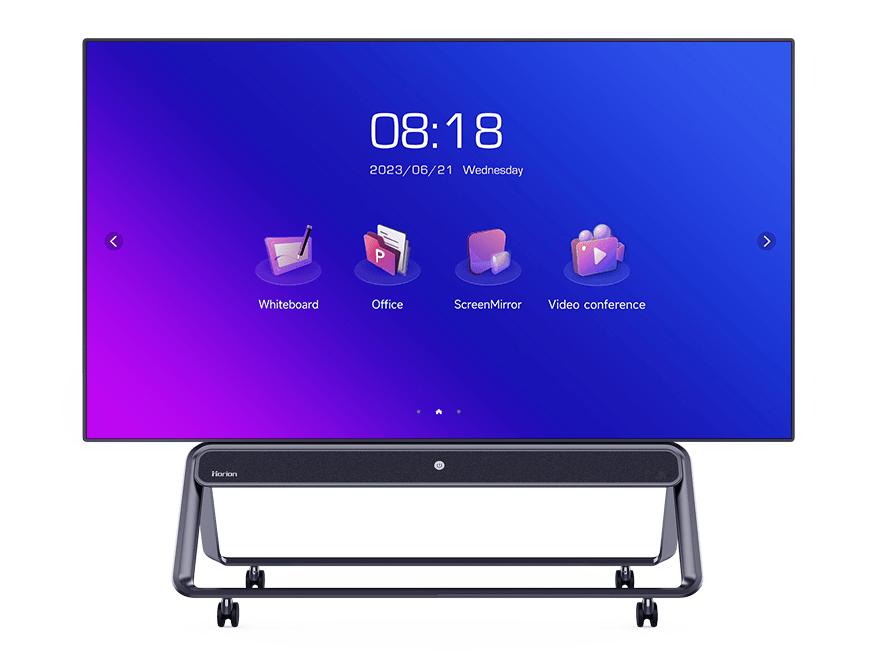
Effective classroom implementation depends on collaboration and organization. Interactive learning tools for teachers facilitate peer collaboration, group projects, and discussion forums, while supporting classroom management with digital tools. In the U.S., 56% of students use laptops weekly, 65% use tablets, and 67% of classrooms regularly use educational videos, reflecting widespread use of touch-enabled learning devices and interactive whiteboard software.
Assessment, Monitoring, and Real-Time Feedback
Assessment tools embedded within interactive platforms reduce administrative burden. Teacher dashboards, student monitoring systems, and interactive assessment tools cut administrative workload by 50%, freeing approximately six hours per week. This efficiency enables educators to focus on instruction quality and learner support.
Interactive Learning Tools in Online, Hybrid, and Distance Education
Remote Classroom Engagement and Blended Learning
The global e-learning market, valued at USD 366 billion in 2025, is expected to reach USD 764 billion by 2034. Interactive learning tools for remote classroom engagement, including collaborative whiteboard tools and interactive tools for blended learning environments, address isolation and sustain engagement. This importance became evident when 5 million K–12 students participated in online classes as early as the 2015–2016 school year.
Challenges and Barriers to Adoption
Budget, Infrastructure, and Access Constraints
Despite proven benefits, adoption is not without challenges. 46% of institutions cite budget constraints as the primary barrier. Additionally, only 46% of children globally have access to the technology required for game-based learning, highlighting persistent inequalities in digital infrastructure.
Skills Gap and Data Security Concerns
A lack of technical expertise among educators and administrators can hinder effective implementation. Concerns regarding data privacy, student monitoring, and system security further complicate adoption, particularly in regions with limited regulatory frameworks.
Market Segmentation and Regional Insights
By end-user, K–12 education holds a 32.4% market share, while corporate training accounts for 33% of the gamification market, growing at a 53.4% CAGR. Regionally, North America leads with a 41.6% share, while Asia-Pacific is the fastest-growing region at 30% annual growth, driven by large-scale K–12 adoption. Europe maintains a stable 25–30% market share.
Major Industry Players and Competitive Landscape
The interactive learning ecosystem is shaped by major players including Microsoft, Google, Adobe, Pearson, SMART Technologies, Promethean, Cisco, Apple, Samsung, Meta Platforms, and Kahoot!, which controls 10–12% of the gamification market. The top eight vendors collectively hold 52% of the market, reflecting consolidation through strategic partnerships and acquisitions.
Future Outlook and Emerging Trends
AI, Immersive Technologies, and Analytics-Driven Education
Between 2025 and 2035, immersive technologies are expected to grow at a 20.8% CAGR, while gamification expands at 26.06% CAGR, with 63% of new platforms integrating AR/VR features. Learning analytics, student progress tracking, and ROI measurement will become central to evaluating effectiveness. Multilingual support, already present in 55% of platforms, will drive global expansion.
Conclusion:
Interactive learning tools represent the future of education by integrating technology, pedagogy, and data-driven decision-making. Supported by strong market growth, measurable ROI, and proven engagement outcomes, these tools empower institutions to deliver inclusive, personalized, and high-impact learning experiences. As educational systems continue to evolve, interactive learning tools will remain essential to achieving sustainable, engaging, and outcome-focused education worldwide.